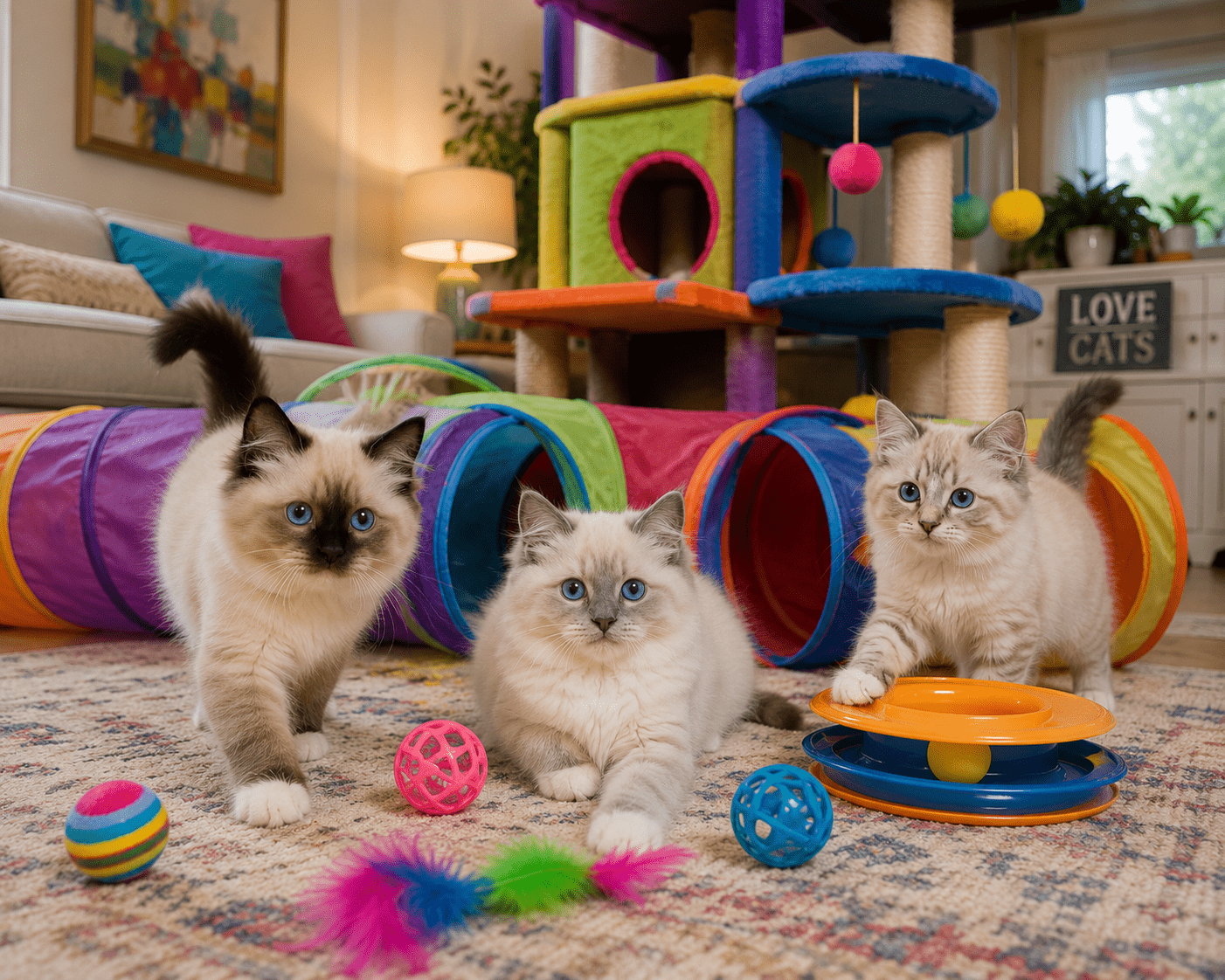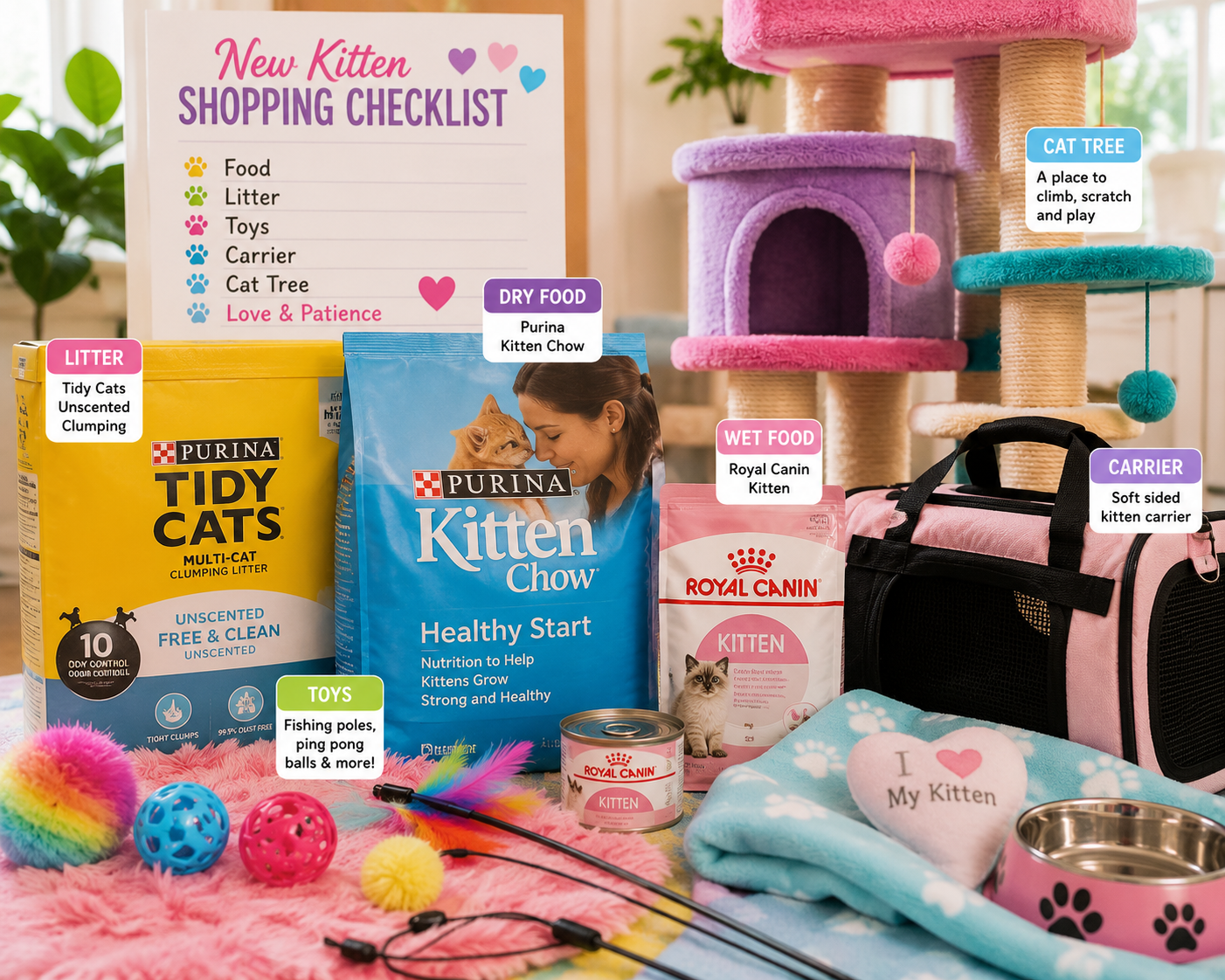

A confident arrival does not mean a Ragdoll kitten walks into a new home ready to explore every room. Confidence begins with having somewhere small, quiet, and predictable to retreat to. A well-prepared Ragdoll kitten safe room lets your kitten learn the sounds, scents, people, and routines of the household without having to manage everything at once.
The best first day is usually simple: prepare the room before pickup, bring your kitten directly there in a secure carrier, open the carrier, and let the kitten choose when to come out. Your job is to make food, water, litter, rest, and gentle companionship easy to find.
What a first safe room should do
A safe room is not a punishment area or a place to isolate a kitten indefinitely. It is a temporary home base. From this room, your kitten can build a reliable routine and gain confidence before exploring more of the house.
For a new Ragdoll kitten, the room should provide four things:
- Control: Your kitten can hide, approach, or retreat without being chased or lifted.
- Predictability: Food, water, litter, sleep, and play happen in familiar places.
- Safety: There are no accessible cords, toxic products, open windows, or small objects that can be swallowed.
- Observation: You can easily notice eating, drinking, litter use, energy, and any signs of illness.
This is why a small bedroom is often more useful than a large open-plan living area. Too much space can make a newly arrived kitten harder to locate and may create more hiding places than you can safely check.
Choose and prepare the room before arrival
Pick a quiet, practical location
Choose a room with a door that closes securely and a comfortable temperature. A spare bedroom is often a good option. A bathroom can work in some homes, but only if cleaning products are locked away, the toilet lid stays closed, the floor is safe, and there are no gaps behind appliances or cabinets.
Avoid rooms with loud appliances, heavy foot traffic, open fireplaces, or frequent access to the outdoors. If resident pets live in the home, the safe room should be somewhere they cannot enter by pushing open the door.
Use a room-level safety check
Get down to kitten height and look around. Small kittens can fit through surprisingly narrow spaces and may chew or bat at objects adults overlook. Before your kitten arrives:
- Close windows and confirm that any screens are secure.
- Secure electrical cords, blind cords, charging cables, and dangling ties.
- Remove rubber bands, coins, medications, batteries, plastic packaging, and other swallowable items.
- Keep cleaners, pesticides, cosmetics, and human food in a closed cabinet.
- Remove plants you cannot confidently identify as cat-safe. The ASPCA plant database is a useful starting point, but unknown plants are best kept out of reach.
- Do not leave string, ribbon, or wand toys unattended. These toys are for supervised play because pieces can be swallowed.
- Check under beds and furniture for gaps where a frightened kitten could become trapped.
Skip scented plug-ins and essential-oil diffusers in the room. They are unnecessary, and some fragranced oils and products can be hazardous to cats.
Ragdoll kitten safe room checklist
Set up the essentials before you leave to collect your kitten. Keeping the arrangement simple makes it easier for a nervous kitten to understand.
| Item | How to set it up | Why it helps |
|---|---|---|
| Carrier | Place it on the floor with the door open after arrival. | It remains a familiar, secure hiding place rather than disappearing into storage. |
| Food | Offer the food your kitten already knows, in a stable, easy-to-clean bowl. | A sudden diet change can add digestive stress during an already unfamiliar day. |
| Water | Use a separate, shallow bowl in a quiet spot. | Separate placement helps keep water away from litter and food debris. |
| Litter box | Choose a low-sided box that is easy to enter and place it away from food and water. | A kitten should not have to cross the whole room to find the toilet. |
| Hiding place | Provide a cardboard box, covered bed, or carrier with a blanket. | Hiding is a normal coping strategy and can help a kitten settle. |
| Scratcher | Use a stable small post or cardboard scratcher near the resting area. | It offers an appropriate outlet for scratching and stretching. |
| Comfort item | Add a washable blanket or a familiar-smelling item supplied by the breeder, if available. | Known scents can make the new room feel less unfamiliar. |
| Simple toys | Offer a soft ball or lightweight toy, with interactive toys used only while supervised. | Play can begin when your kitten is ready without cluttering the room. |
Ragdolls grow into a substantial, long-haired cat, so choose equipment that is stable rather than flimsy. A scratcher that tips over can frighten a kitten and teach them to avoid it. You do not need a large cat tree, elaborate bed, or full collection of toys on day one.
Although Ragdolls are often described as relaxed, individual kittens vary. A calm reputation does not mean your kitten will tolerate being carried around, handled by visitors, or placed on a high perch immediately. Let behavior guide the pace.
The arrival: a gentle first-day routine
Before you leave for home
Ask the breeder or current caregiver what food, litter, feeding schedule, and sleep routine your kitten is using. Bring a secure carrier lined with a washable towel. In the car, keep the carrier closed and secured so it cannot slide. Never carry a kitten loose in the vehicle.
It is helpful to have your kitten’s health records, microchip information, feeding details, and veterinary contact plan ready. If you have questions about vaccinations, parasite prevention, or the timing of the first examination, ask your veterinarian rather than guessing.
The first 15 minutes
Carry the closed carrier into the prepared room before opening the door. Close the room door, put the carrier on the floor, and give your kitten a moment to listen. Then open the carrier and step back. Do not tip the carrier, reach inside, or pull the kitten out.
Your kitten may walk out immediately, remain inside, cry, or retreat to the nearest hiding place. These responses can all occur during a normal transition. Sit on the floor at an angle rather than facing the kitten directly, speak softly, and allow silence too.
The first few hours
Show your kitten where the food, water, and litter box are by keeping them visible and reasonably close together, while still separating the litter from eating areas. You do not need to place the kitten in the litter box or repeatedly carry them to each item.
Offer a small meal of the familiar food and refresh the water. If your kitten hides, leave the food close enough to find without putting your hand into the hiding place. A quiet room and a little distance are often more reassuring than constant attention.
Keep visitors away on the first day. Children should be taught to sit quietly, avoid reaching into hiding places, and wait for the kitten to approach. A confident relationship is built through repeated safe interactions, not forced cuddling.
The first evening and overnight
Keep the household routine calm and predictable. A short play session may be welcome once your kitten is exploring, but do not wake a sleeping kitten or insist on interaction. Check that the carrier or hiding box is accessible, the litter box is clean, and water has not been spilled.
Some kittens eat mostly at night when the home becomes quiet. Before bed, make sure the room is secure and remove string toys. If you sleep in the room and can do so safely, your quiet presence may help your kitten learn your scent and voice. You do not need to monitor every movement.
When should your kitten explore the rest of the house?
There is no universal hour when a kitten is ready. Look for a pattern rather than one brave moment. Your kitten is more prepared to explore when they are eating and drinking, using the litter box, grooming, playing or showing curiosity, and recovering from ordinary household sounds.
Open one additional area at a time and keep the safe room available as a retreat. Close doors to rooms that have not been checked. If you have other cats or dogs, do not move directly from safe-room confinement to free access. Gradual introductions through scent exchange, separate spaces, and controlled visual contact are usually less stressful than a face-to-face surprise. The Cornell Feline Health Center provides further guidance for introducing cats.
If your kitten is hiding but comes out to eat, drink, and use the litter box, give the process more time. If the kitten remains extremely distressed, cannot access essentials, or becomes less responsive, contact your veterinarian for advice.
Normal settling behavior versus a reason to call
Quiet hiding, cautious exploration, temporary vocalizing, and sleeping more than usual can be part of a major transition. The overall trend should gradually move toward eating, toileting, curiosity, and comfortable rest.
Contact a veterinarian promptly if you notice breathing difficulty, collapse, significant weakness, repeated vomiting or diarrhea, signs of pain, injury, or an inability to urinate. If your kitten refuses food or water, or you are unsure how long it is safe for a young kitten to go without either, call your veterinary practice the same day for individualized advice.
A safe room also makes these changes easier to notice. That is one of its most practical benefits: it gives your kitten security while giving you a clear view of basic health and behavior.
Frequently asked questions
How long should a Ragdoll kitten stay in the safe room?
Keep the room available until your kitten is eating, drinking, using the litter box, and showing relaxed curiosity. Some kittens are ready to expand their territory quickly; others need several days. The room should remain a familiar retreat even after exploration begins.
Can the safe room be my bedroom?
Yes, provided the room is kitten-proofed and you can keep the door closed. A bedroom can be especially useful if you want your kitten to become familiar with your scent. Secure cords, check under furniture, and keep clothing, medications, and small personal items out of reach.
Should I pick up my kitten to make them feel safe?
Usually, no. Let your kitten approach first and use brief, gentle handling once they are relaxed. Picking up a frightened kitten can make the carrier, your hands, or the room feel less safe. Follow the kitten’s body language and stop if they struggle, flatten their ears, or try to retreat.
Does a Ragdoll kitten need special safe-room equipment?
No special breed-specific equipment is required. Choose stable, washable, kitten-sized essentials, then plan for sturdier furniture as your Ragdoll grows. The most valuable features are a secure room, familiar food, a clean litter box, a hiding place, and a patient pace.
A calm beginning lasts longer than a rushed introduction
The first safe room is less about making your kitten instantly outgoing and more about giving them reliable choices. Prepare the space, keep the first day quiet, and measure progress by comfort rather than by how quickly your kitten accepts handling.
For additional guidance as you prepare for life with a Ragdoll kitten, explore CTkittens.com.
Helpful sources

Rachel Cohen is a journalist and producer with a passion for audio storytelling, health and science reporting, and feline companions.
A graduate of Middlebury College, Rachel spends her weekends exploring the mountains and when she isn’t outdoors or chasing a story, she can usually be found hanging out with her cats.