

The Ragdoll Kitten Need Busy Homes Often Overlook
When people research a Ragdoll kitten, they usually picture a soft, relaxed companion waiting to be carried from room to room. That image captures part of the breed’s appeal, but it can hide an important question: how much everyday availability does a Ragdoll kitten actually need?
The answer is not simply “all day” or “not much.” A Ragdoll kitten’s social life often revolves around predictable access to people. Many enjoy being near their owners without demanding constant handling. For someone considering the breed, understanding that distinction can make the difference between a comfortable match and unrealistic expectations.
Affection does not always look like cuddling
A common misunderstanding about Ragdoll kitten personality is that affection must mean sitting on a lap for hours. Some kittens do become enthusiastic lap companions, but others show attachment in quieter ways. They may follow a person from the kitchen to the office, settle nearby while work is happening, and appear at the doorway when that person leaves the room.
These small choices are meaningful. A kitten that chooses the same room but not the same chair may be asking for social proximity rather than physical contact. Another may greet an owner enthusiastically after a workday, then wander off after a few minutes. That is not necessarily rejection. It can simply be a kitten checking in, receiving attention, and returning to its own activity.
Prospective owners should therefore ask, “Would I enjoy a companion who likes being involved in my day?” rather than only asking, “Will this cat sit on my lap?”
What a workday can feel like to a Ragdoll kitten
In a household where adults work outside the home, a Ragdoll kitten may experience the day as a series of noticeable transitions: breakfast and departure, a long quiet period, the sound of keys at the door, and an evening burst of household activity. In a work-from-home household, the pattern is different, but the kitten may still learn that a person can be physically present while emotionally unavailable during meetings or focused tasks.
This is where many owners overlook the breed’s needs. Being in the same building is not the same as offering meaningful interaction. A kitten may spend much of a quiet day sleeping, yet still benefit from brief, reliable moments of play, conversation, gentle handling, and attention around the owner’s schedule.
Watch for the rhythm an individual kitten creates:
- Some check on their owner repeatedly but settle quickly when acknowledged.
- Some become most active just before departure or soon after everyone returns.
- Some prefer one substantial evening interaction rather than many interruptions.
- Some follow people closely for a week or two after moving in, then become more confident about resting independently.
These observations are more useful than a general promise that every Ragdoll will behave the same way.
The overlooked importance of predictable attention
For a busy owner, consistency may matter more than constant availability. A short period of focused attention is easier for a kitten to understand than scattered contact that ends unpredictably. For example, a person might greet the kitten after returning home, allow a calm transition while putting belongings away, and then provide a few minutes of undistracted interaction.
The value is not in creating a rigid schedule. It is in making social contact dependable enough that the kitten does not have to compete with every household transition. A Ragdoll kitten may learn that the laptop closing, dinner being finished, or a particular chair being occupied usually precedes attention.
There is also a practical lesson about handling. Ragdolls are often associated with a relaxed body, but a loose posture should not be treated as automatic permission to pick up a kitten. Support the body securely, keep handling brief when the kitten signals discomfort, and let the individual decide whether a lap is appealing that day. A calm kitten can still prefer all four paws on the floor.
Signs the lifestyle may be a good fit
A Ragdoll kitten may suit your household if you can offer reliable interaction even when your days are busy. You do not need to be home every minute, but you should have a realistic plan for the periods before and after work, travel, errands, and social commitments.
Consider these questions before choosing the breed:
- Can someone provide attention and supervision during the kitten’s most active parts of the day?
- Will the kitten have company or suitable care during unusually long absences?
- Are you comfortable with a cat that may follow you closely without always wanting to be touched?
- Can your household keep greetings and departures calm rather than turning every transition into a dramatic event?
- Will everyone respect the kitten’s signals when it wants contact, rest, or space?
A Ragdoll kitten can fit a working household, but the best match is usually a home that values companionship as a daily relationship rather than as a constant performance. If you want a cat that is entirely indifferent to household comings and goings, this breed’s generally people-oriented tendencies may require more patience than expected.
Small observations that prevent big misunderstandings
One useful habit is to notice what happens after attention ends. If the kitten stretches, washes, and settles nearby, the interaction may have been satisfying even though it lasted only a few minutes. If the kitten keeps returning, paws at the owner, or becomes unusually restless, it may be asking for a different kind of engagement rather than simply more petting.
Another overlooked clue is location. A Ragdoll kitten that chooses a cool floor beside a desk may value the owner’s presence more than a plush bed placed across the room. Moving the kitten repeatedly to a preferred human-selected spot can accidentally remove the very social connection it was seeking.
Finally, let the kitten’s preferences develop. A youngster that is not cuddly during the first weeks may be overwhelmed by a new home, while a kitten that seems intensely attached at first may become more independent as confidence grows. Ragdoll kitten personality is not fully revealed by one visit or one exciting evening.
Persian vs. Ragdoll: social expectations for busy homes
In relation to daily availability, Persian and Ragdoll kittens can present different impressions. Many Ragdolls are socially observant and may choose to trail their owners or rest in the same room, making their companionship feel quietly continuous. Persians are often affectionate too, but some are more content with a settled, low-key interaction and may not follow household activity as closely. Neither breed guarantees a particular schedule or level of cuddliness. Individual temperament, early experiences, age, and the home itself all matter. A prospective owner who wants a cat that participates in ordinary routines may appreciate the Ragdoll’s people-oriented tendencies, while someone drawn to a calmer presence may prefer a Persian’s often more measured style. The right choice depends on how you want companionship to fit into your actual day.
Choose the relationship, not just the reputation
The most useful way to evaluate a Ragdoll kitten is to imagine an ordinary Tuesday rather than an idealized cuddle session. Picture the kitten greeting you, waiting nearby while you work, napping through quiet hours, and becoming more engaged when the household changes pace. That everyday pattern is where the breed’s appeal becomes real.
If that kind of gentle, nearby companionship suits your lifestyle, explore more breed guidance and kitten resources at CTkittens.com.

Rachel Cohen is a journalist and producer with a passion for audio storytelling, health and science reporting, and feline companions.
A graduate of Middlebury College, Rachel spends her weekends exploring the mountains and when she isn’t outdoors or chasing a story, she can usually be found hanging out with her cats.
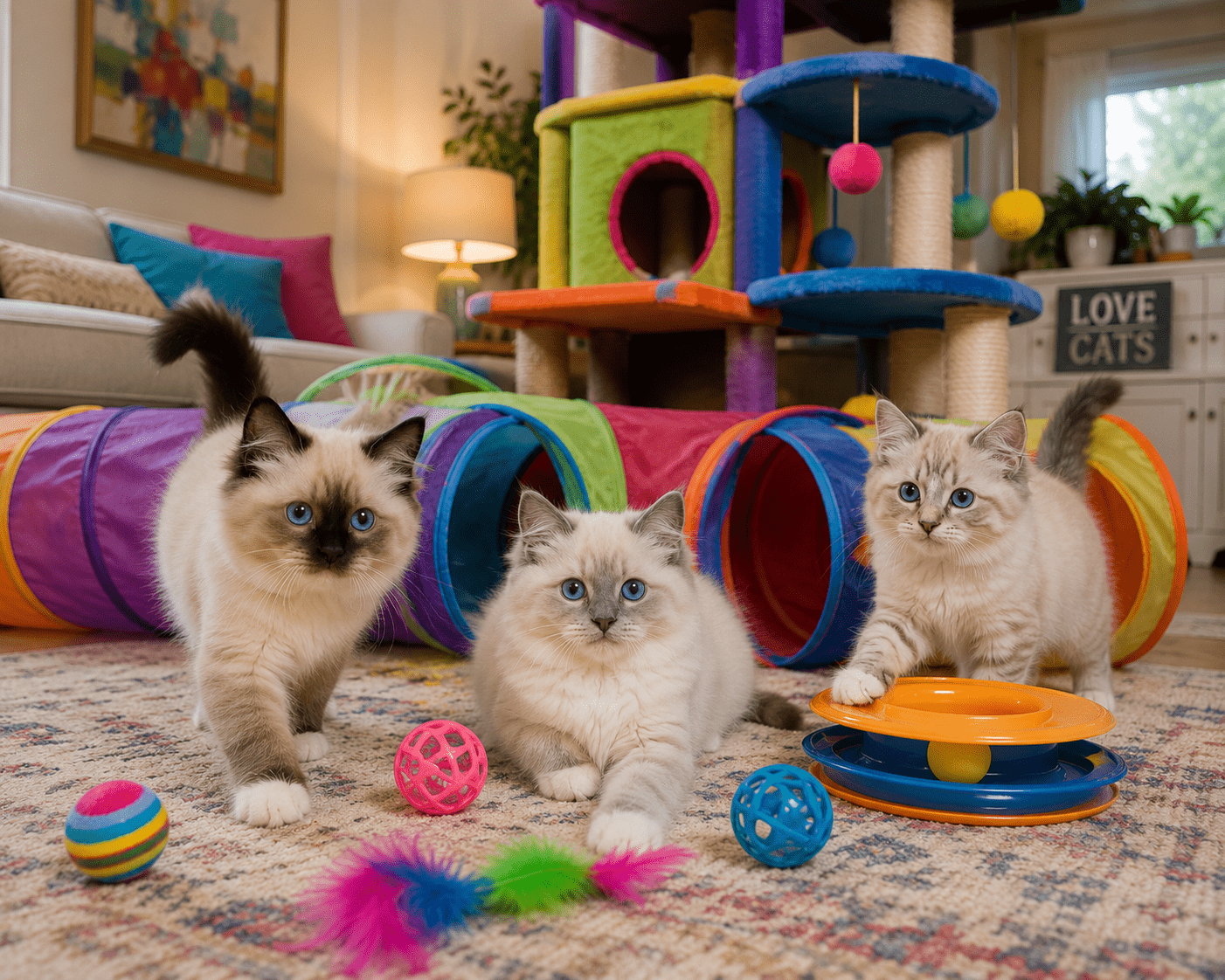
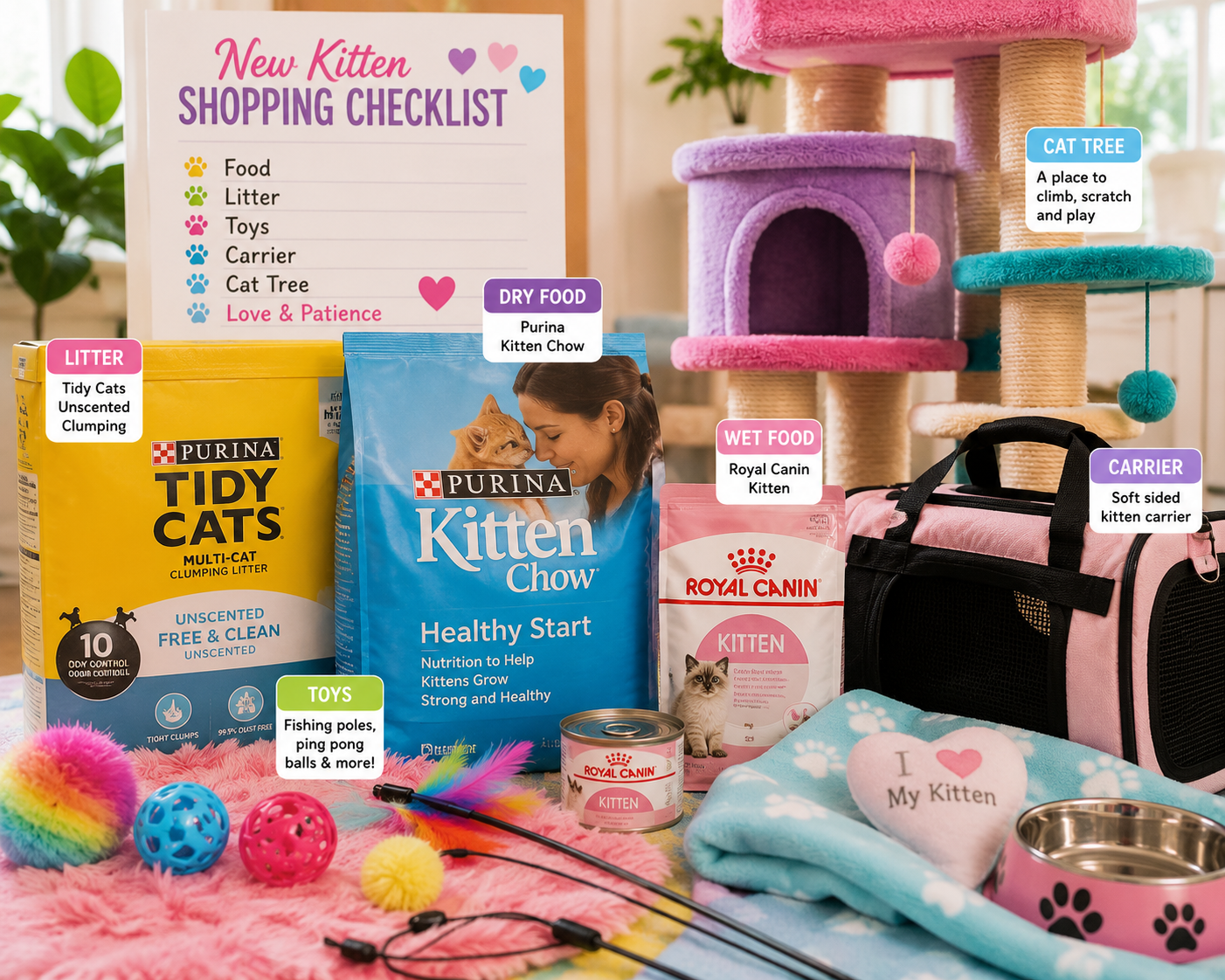
The “ordinary Tuesday” test is a useful way to choose a kitten. Building brief, dependable play and check-in times around work seems far more realistic than assuming being home equals being available.
Busy owners can meet a kitten’s social needs more thoughtfully by noticing those quiet check-ins instead of assuming affection only counts as lap time.