
Persian Kittens in Connecticut: Planning a Kitten-Friendly Weekend Near Hartford and Storrs
Yes, you can plan a kitten-friendly Connecticut weekend near Hartford and Storrs—but “kitten-friendly” should not mean taking a young Persian kitten everywhere. For most kittens, the safest and least stressful plan is a quiet home base, short and secure travel, familiar food and litter, and plenty of time to rest.
If you are bringing home a newly acquired kitten, the most reassuring weekend may be the one you postpone. A kitten adjusting to a new family, new smells, and a new routine usually benefits from a calm transition before adding hotel rooms, car rides, visitors, or sightseeing.
The reassuring truth: a kitten-friendly weekend is a flexible weekend
Persian kittens can be affectionate and adaptable, but every kitten has a different tolerance for travel. Age, health, previous carrier experience, vaccination status, temperament, and the length of the drive all matter.
Think of the weekend as a kitten-centered trip with optional human plans. If the kitten is relaxed, eating normally, using the litter box, and settling well, you may be able to include a quiet outing. If the kitten is frightened or unwell, the itinerary should change without hesitation.
Before booking anything, answer three questions:
- Is the kitten established in your care, or has it just arrived?
- Can the kitten travel securely in a carrier without being left alone for long periods?
- Does the lodging provide a genuinely quiet, escape-resistant space?
If any answer is uncertain, choose a shorter trip or keep the kitten at home with a responsible caregiver. A familiar home is often more comfortable than a “pet-friendly” hotel.
Choosing a base near Hartford or Storrs
Hartford and Storrs offer very different weekend settings. Hartford is more urban, with museums, restaurants, events, and busy roads. Storrs has a quieter college-town and rural feel, but campus, venue, and outdoor-area animal rules still vary. In either location, never assume that a pet-friendly property is automatically suitable for a young kitten.
| Situation | What usually works best | Confirm before you go |
|---|---|---|
| Hotel or inn | A quiet room away from elevators and heavy foot traffic | Cat restrictions, fees, carrier rules, unattended-pet policy, and emergency procedures |
| Vacation rental | A private room with secure windows and doors | Escape risks, cleaning products, plants, fireplaces, resident animals, and property rules |
| Staying with family | A dedicated quiet room for the kitten’s first few hours | Children, dogs, other cats, open doors, and visitor traffic |
| Day trip only | Leaving the kitten in its familiar home with appropriate care | Feeding, litter, medication, supervision, and emergency contact arrangements |
Ask lodging staff specific questions rather than relying on a general “pets welcome” label. Some properties accept dogs but not cats, some require cats to remain in carriers in common areas, and some do not allow animals to be left unattended. Get the policy in writing if possible.
Preparing a Persian kitten for the drive
For a short Connecticut drive, preparation matters more than distance. Practice placing the kitten in the carrier several times before departure. Leave the carrier open at home with a familiar blanket inside, then try brief, quiet car rides if the kitten remains comfortable.
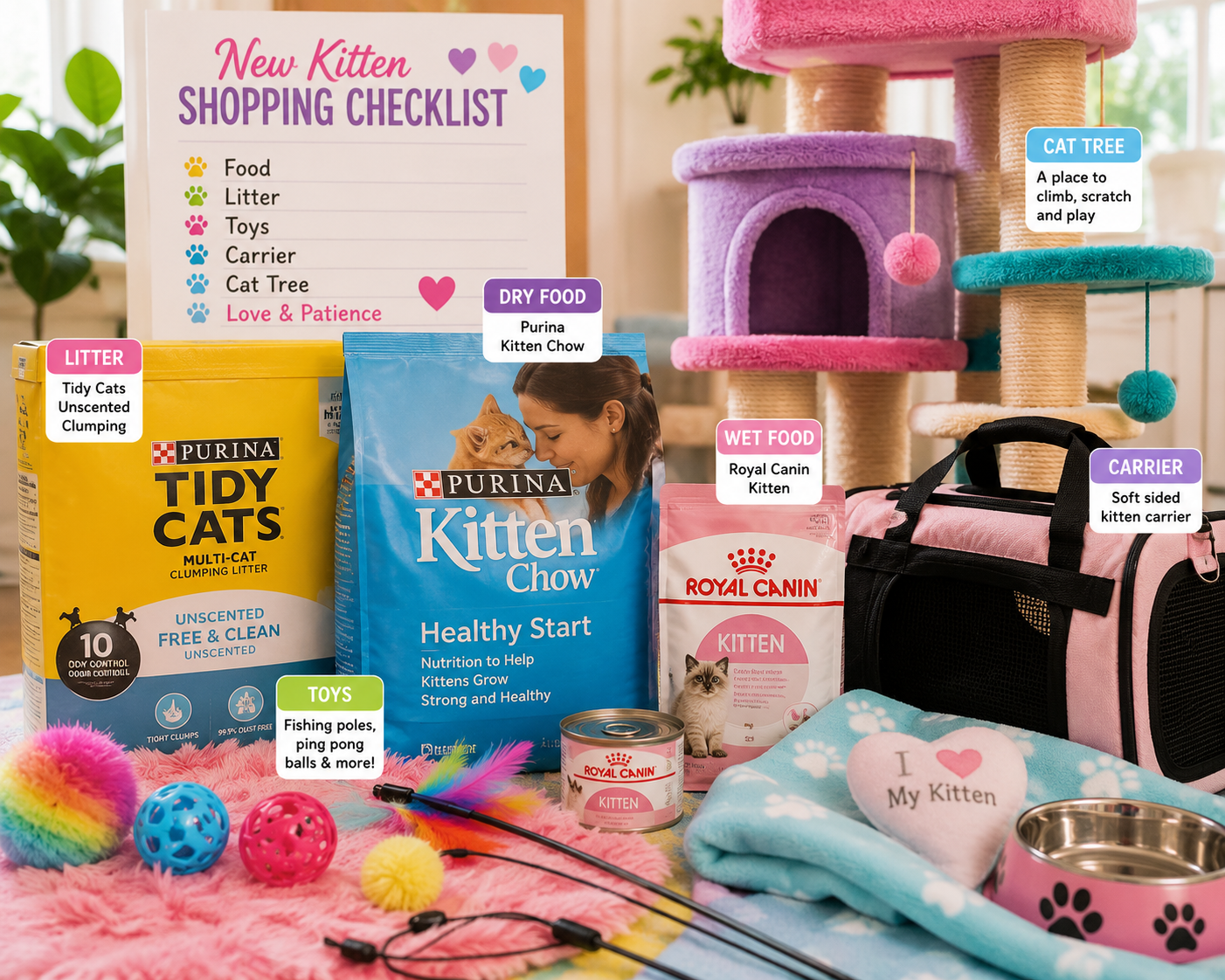
Pack more than you expect to need:
- A sturdy, well-ventilated carrier that can be secured in the vehicle
- Familiar food, bottled water, bowls, and the usual litter
- A small litter box, waste bags, paper towels, and an enzymatic cleaner
- Health and vaccination records, medication instructions, and your veterinarian’s phone number
- A familiar blanket or toy, plus a spare towel for the carrier
- Identification and current microchip information, if the kitten is chipped
Keep the kitten inside the carrier while the car is moving. A loose cat can escape during a door opening or become injured during sudden braking. Never leave a kitten alone in a parked car, even for a few minutes and even with the air conditioning running. Connecticut summers can be hot and humid, while winter travel brings its own risks from cold temperatures and icy conditions.
Do not give a calming medication or over-the-counter product unless a veterinarian has specifically recommended it for that kitten. If the kitten shows persistent open-mouth breathing, weakness, collapse, repeated vomiting, or severe distress, stop and contact a veterinarian. The American Veterinary Medical Association’s travel guidance is a useful starting point for general preparation.
A calm Hartford–Storrs weekend rhythm
Friday: arrive and settle in
Go directly to the lodging or home base. Set up one quiet room before allowing the kitten out of the carrier. Place food, water, and litter in separate areas, then check windows, doors, cords, plants, fireplaces, and gaps behind furniture.
Do not introduce every room, person, or animal immediately. Let the kitten approach at its own pace. A short meal, litter-box visit, nap, and gentle play session may be a more successful first evening than a busy restaurant or event.
Saturday: choose one human outing
Hartford attractions, restaurants, university spaces, and public events may have their own animal restrictions. Call or check the official venue policy before assuming a cat is allowed. In many cases, the better choice is for one adult to stay with the kitten while another enjoys a short outing.
If the kitten must accompany you, keep the trip brief and use a secure carrier. Outdoor areas may expose a kitten to dogs, traffic, heat, parasites, or escape opportunities. A harness should be introduced gradually at home; it is not a substitute for a carrier during a busy public visit.
Sunday: return to routine
Feed the kitten at its normal times, allow a quiet morning, and leave extra time for the return drive. Once home, restore the familiar feeding, play, grooming, and sleep routine. Watch for delayed signs of stress such as hiding, reduced appetite, diarrhea, or litter-box changes, and contact your veterinarian if concerns persist.
Persian kitten myths, facts, and reassuring truths
Myth: Persian kittens are low-maintenance because they are quiet
Fact: A calm personality does not eliminate grooming or health needs. Persian coats can mat close to the skin, so many cats need frequent, often daily, combing with a gentle routine. Some also need regular face cleaning, especially if tear staining or facial folds collect moisture.
Reassuring truth: Grooming can become pleasant bonding time when introduced in short sessions. A kitten does not need a full makeover before a trip. A gentle comb-through, trimmed nails when appropriate, and a familiar routine are usually less stressful than a sudden, lengthy grooming session immediately before departure.
Myth: An indoor kitten does not need enrichment
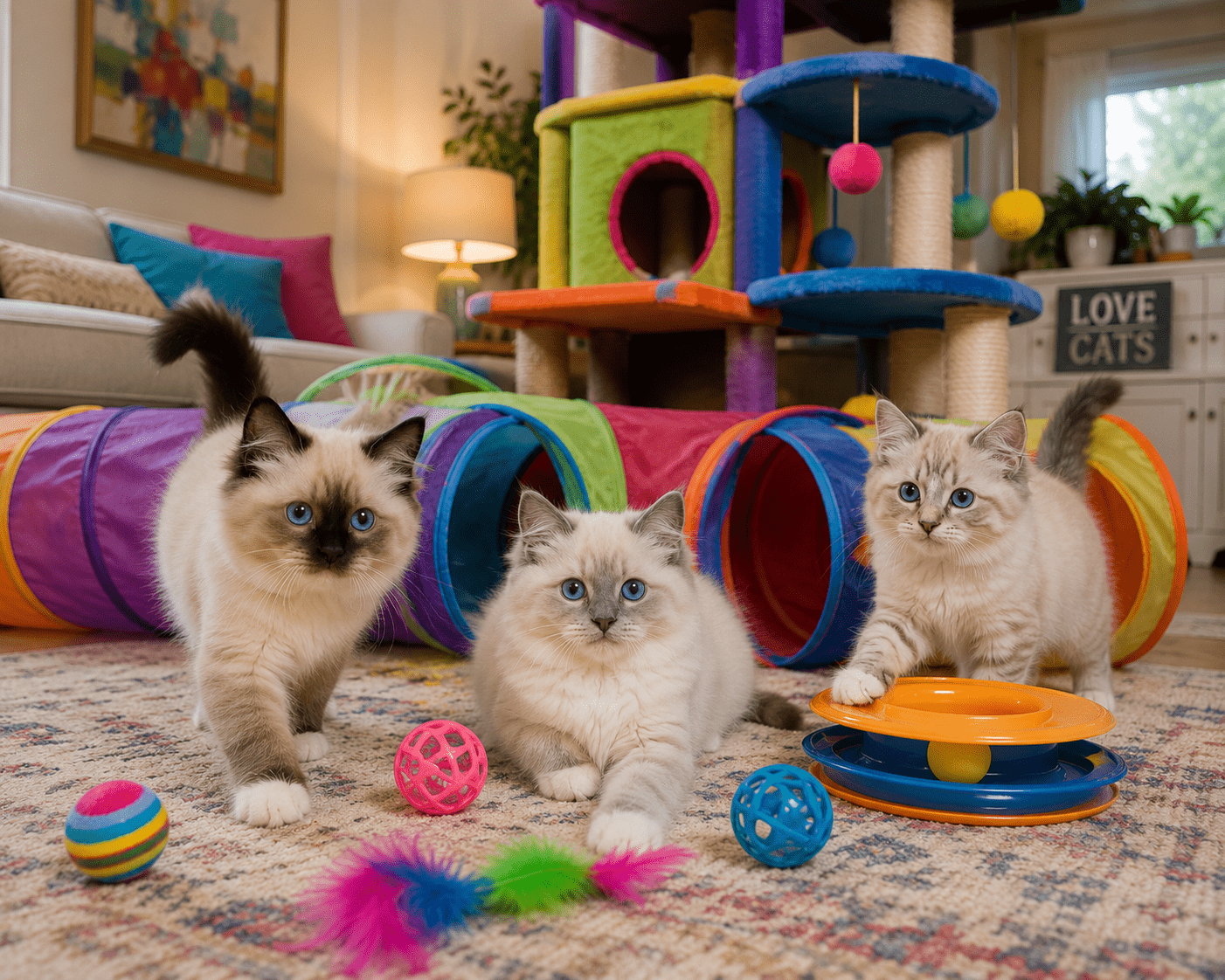
Fact: Indoor cats still need opportunities to play, climb safely, scratch, explore, and rest. A new room can be stimulating enough, so bring a few familiar toys rather than filling the space with unfamiliar equipment.
Reassuring truth: Enrichment does not have to be elaborate. Two or three short play sessions, a scratching surface, a hiding place, and a comfortable perch can make a temporary room feel secure.
Myth: Kittens automatically enjoy traveling
Fact: Some kittens settle quickly; others find car movement, unfamiliar smells, and confinement upsetting. Previous exposure helps, but it does not guarantee an easy trip.
Reassuring truth: You can test the plan before committing to a full weekend. Try a carrier stay, then a short drive, and return home for a calm reward. If the kitten consistently becomes distressed, choose home care instead.
Myth: A white coat and blue eyes tell you everything about a kitten’s health
Fact: Coat and eye color do not establish overall health, temperament, or hearing. White cats with blue eyes have an increased likelihood of congenital deafness, but color alone is not a diagnosis. A veterinarian can discuss appropriate hearing assessment if there is concern.
Reassuring truth: Focus on the kitten’s examination, behavior, health records, and ongoing veterinary care rather than appearance alone.
Myth: A pedigree guarantees a healthy Persian
Fact: Responsible breeding and documented screening can reduce risk, but no pedigree guarantees perfect health. Ask what veterinary care the kitten has received, which inherited conditions are relevant to the line, and whether parents were screened when appropriate.
Reassuring truth: Good records and an open conversation with the breeder or seller make planning easier. Bring the kitten’s feeding instructions, vaccination history, deworming information, and veterinary contact details on the trip. For Connecticut animal-health and travel information, consult the Connecticut Department of Agriculture.
Questions to ask before bringing a kitten on a weekend
- Has the kitten already had a veterinary examination, and what follow-up care is due?
- What food, litter, grooming routine, and sleep schedule is the kitten used to?
- Has the kitten traveled in a carrier before?
- Can the lodging provide a quiet, secure room away from other animals?
- Who will supervise the kitten if the adults visit a museum, restaurant, campus event, or outdoor attraction?
- Where is the nearest veterinary hospital, and what is the after-hours plan?
Persian cats with very short muzzles may be more vulnerable to breathing difficulty and heat stress. A veterinarian can help you judge whether a particular kitten is ready for travel and how to keep the environment comfortable. The American College of Veterinary Surgeons’ overview of brachycephalic syndrome explains why facial structure deserves more than cosmetic consideration.
Frequently asked questions
Can I take a Persian kitten to Hartford attractions or the UConn Storrs campus?
Only if the specific location clearly permits cats. Many public venues restrict animals, and a busy attraction may be stressful even when entry is technically allowed. Verify the current policy and consider leaving the kitten with a responsible caregiver instead.
Should I travel with a kitten that has just come home?
Usually, a nonessential weekend is better postponed. Give the kitten time to settle, monitor eating and litter-box habits, and follow the veterinarian’s advice before adding another change.
What is the best first trip for a kitten?
The best first trip is short, secure, and easy to end. A brief practice drive followed by a return to a familiar home is often more useful than jumping straight into a full weekend.
Plan around the kitten, not the itinerary
A successful weekend near Hartford and Storrs does not require a Persian kitten to attend every activity. The winning plan is a safe carrier, familiar supplies, a quiet room, realistic supervision, and permission to change plans when the kitten needs rest.
If you are exploring Persian kittens in Connecticut, visit CTkittens.com to learn more and continue planning with the kitten’s long-term comfort in mind.

Rachel Cohen is a journalist and producer with a passion for audio storytelling, health and science reporting, and feline companions.
A graduate of Middlebury College, Rachel spends her weekends exploring the mountains and when she isn’t outdoors or chasing a story, she can usually be found hanging out with her cats.