
The Human Traffic Atlas: Mapping a Ragdoll Kitten’s Day
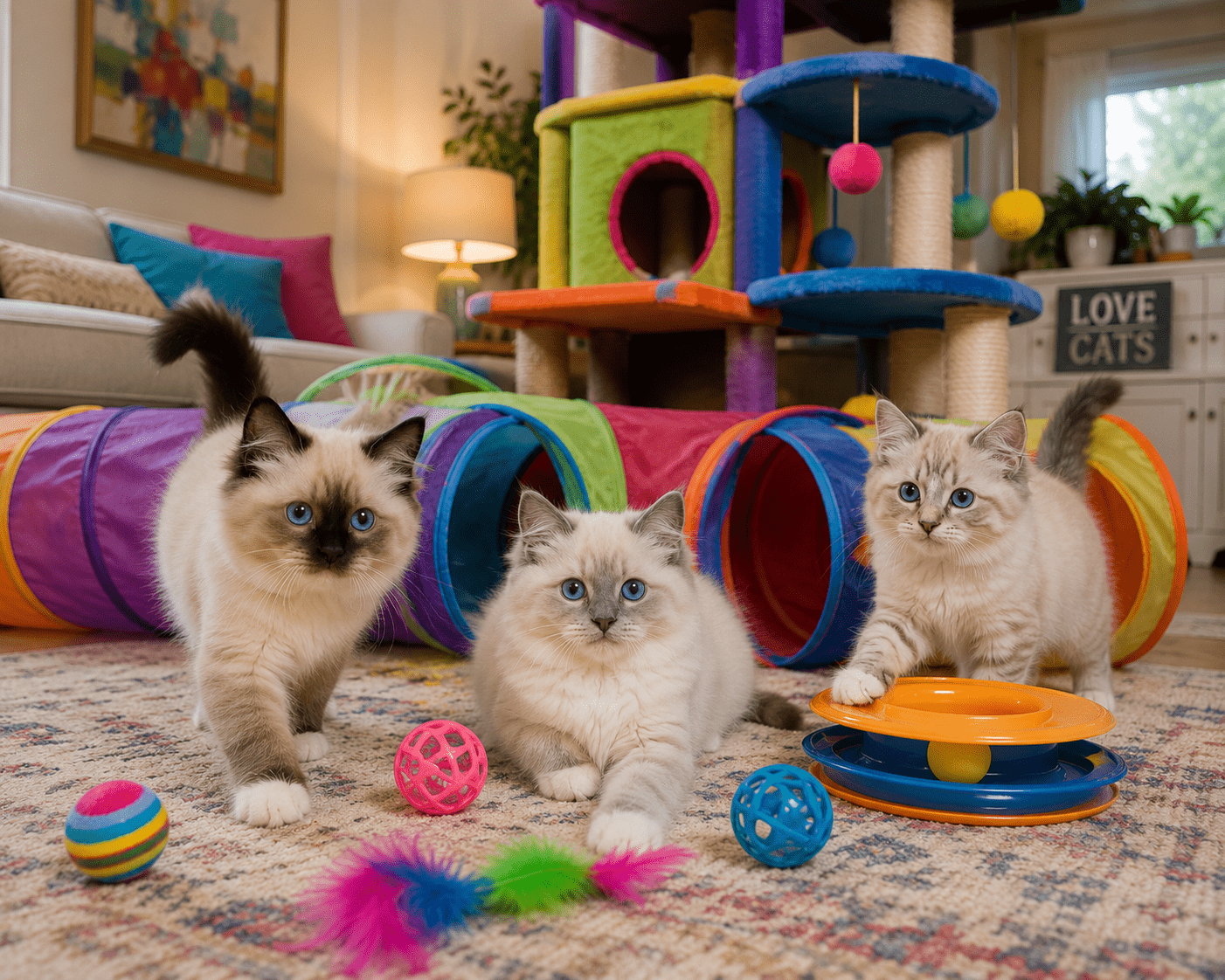
A Ragdoll kitten may ignore an expensive new cushion, then settle beside the hallway where everyone passes on the way to the kitchen. Five minutes later, the kitten appears under the desk, not because the room changed, but because its favorite person did.
This is one of the most interesting parts of Ragdoll kitten behavior at home: many kittens seem to organize their indoor day around human movement. They notice where you pause, which doors open, when chairs roll back, and which household routes offer a good view without too much commotion.
Instead of treating your home as a collection of rooms, try viewing it as a map of activity. Your Ragdoll kitten may be building a personal version of that map—one based on people, sound, light, and predictable opportunities to join you.
Meet the Human Traffic Atlas
The Human Traffic Atlas is a seven-day observation project. You do not need special equipment. A scrap of paper, a phone note, or a simple floor plan is enough.
Draw the main rooms and connecting spaces in your home. Then mark where your Ragdoll kitten appears during three kinds of moments:
- Human movement: cooking, folding laundry, walking upstairs, opening the front door, or moving between rooms.
- Human pauses: reading, working, drinking coffee, watching television, or sitting quietly.
- Household transitions: morning wake-up, school or work departures, evening tidying, and bedtime.
Record the kitten’s location without trying to steer the result. The point is not to create a perfect routine. It is to notice connections that are easy to miss during a busy day.
What to Look For on the Map
1. The shadow route
Some Ragdoll kittens do not follow directly behind a person. Instead, they travel one room behind, appearing at the edge of the doorway just as you finish a task. A kitten may watch you load the dishwasher, disappear while you carry a plate, and reappear beside the table.
Mark these indirect routes. They can reveal that your kitten enjoys participation without wanting to stand in the center of activity. A quiet mat or low bed near—but not in—the traffic path may become more appealing than a bed placed in an isolated corner.
2. The pause stations
Look for places where your kitten stops when you stop. This might be beneath your office chair, beside the sofa, near the bathroom doorway, or on a rug next to the kitchen island.
A pause station often has several features working together: a view of you, a stable surface, moderate sound, and a quick way out. Ragdoll kittens may be especially interested in these social lookout points because they can remain near household activity without constantly chasing it.
One small scene tells the story. A kitten ignores a plush bed positioned beside the desk and chooses the patch of floor behind the chair instead. From there, it can see your feet, the hallway, and the opening of the office door. The bed was comfortable; the floor had better information.
3. The door effect
Doors change the emotional geography of a home. A closed office door can create a strong point of interest, while an open guest-room door may receive no attention at all.
Note what happens when doors open and close. Does your kitten approach immediately, wait several feet away, or remain settled until you return? These responses can help you arrange access more thoughtfully. A safe viewing spot outside a frequently used room may offer companionship without placing the kitten underfoot.
The Three-Layer Route Test
Once you have a few days of notes, sort your kitten’s favorite locations into three layers. This turns casual observation into a practical home-design tool.
- Layer One: The people layer. Places where the kitten watches or joins you, such as beside a desk or near a reading chair.
- Layer Two: The retreat layer. Quiet locations close enough for the kitten to return to household activity, such as a covered nook near the living room.
- Layer Three: The connection layer. Hallways, thresholds, and corners that link several rooms and allow the kitten to monitor movement.
This framework may explain why a kitten seems to “change favorite rooms.” The favorite may not be the room itself. It may be the route that room provides between people, sounds, and resting places.
Turn Observations into Small Improvements
After mapping the routes, make only one adjustment at a time. Move a washable mat to a preferred pause station. Place a sturdy scratch surface near a route the kitten already uses. Leave a clear, comfortable landing area beside a chair that often rolls or shifts.
Keep walkways open and avoid placing soft items where people may trip or where a kitten could become trapped behind furniture. Secure dangling cords and keep small household objects out of the kitten’s path. The goal is not to redesign the entire home. It is to make the existing pattern easier and safer to navigate.
You can also create a “route interruption” for moments when the household becomes busy. A folded blanket in a quiet corner, a paper bag with handles removed, or a simple open box can give the kitten a nearby alternative to standing in the middle of cooking or cleaning. Introduce one object and observe whether it supports relaxation or creates more excitement.
A Ragdoll Kitten’s Calendar May Be Built from People
Many owners notice that their Ragdoll kitten appears shortly before a familiar event. The kitten may arrive in the kitchen when the kettle starts, settle near the sofa before the evening program, or wait outside the bedroom during the bedtime routine.
This does not mean the kitten understands the clock in a human way. It may simply recognize a sequence of sounds, movements, and pauses. You can use those sequences to create gentle household rituals: a calm greeting after work, a quiet observation spot during meal preparation, or a few minutes beside you while you read.
These rituals are valuable because they do not demand constant handling. A Ragdoll kitten can participate by sitting nearby, watching, or moving between stations. Social time does not always have to look like active play.
Persian vs. Ragdoll: How the Map May Differ
A Persian kitten may favor the quieter edges of the Human Traffic Atlas: a room with softer sound, a familiar blanket, or a sheltered place where household movement can be observed at a distance. A Ragdoll kitten may be more inclined to place its pause stations directly along the routes people use, especially near a desk, sofa, or doorway.
These are tendencies, not rules. A confident Persian may investigate every transition, while a Ragdoll may prefer a peaceful observation post. The useful comparison is not “which breed follows people more,” but “how close does this particular kitten want to be while household life is happening?”
What Your Map Can Teach You
After a week, look for three takeaways:
- Preferred distance: Does your kitten want contact, a nearby view, or a position several feet away?
- Best transition: Which daily event reliably brings the kitten out—your arrival, meal preparation, a chair being pulled out, or evening quiet?
- Most useful location: Which spot allows the kitten to observe several activities without blocking people or hiding completely?
You may discover that your kitten’s richest environment is not the largest room. It is the room with the best relationship to the household’s movement. A hallway corner can beat a spacious lounge. A mat beside the desk can beat a decorative perch. The winning feature is often not height or novelty, but information.
Keep the Atlas Evolving
Repeat the observation after rearranging furniture, changing work hours, or entering a new season. Afternoon sunlight may shift a route toward another window. A new chair may create a sheltered pause station. Visitors may temporarily move the kitten’s preferred map toward quieter territory.
Watching these changes gives you a more personal understanding of Ragdoll kitten behavior at home. You are not forcing a routine onto the kitten. You are learning which parts of your shared household rhythm it has chosen to join.
For more thoughtful ideas about life with Persian and Ragdoll kittens, explore the guides and kitten resources at CTkittens.com.

Rachel Cohen is a journalist and producer with a passion for audio storytelling, health and science reporting, and feline companions.
A graduate of Middlebury College, Rachel spends her weekends exploring the mountains and when she isn’t outdoors or chasing a story, she can usually be found hanging out with her cats.