
Ragdoll Kittens: Litter Boxes for Multiple Cats in Connecticut
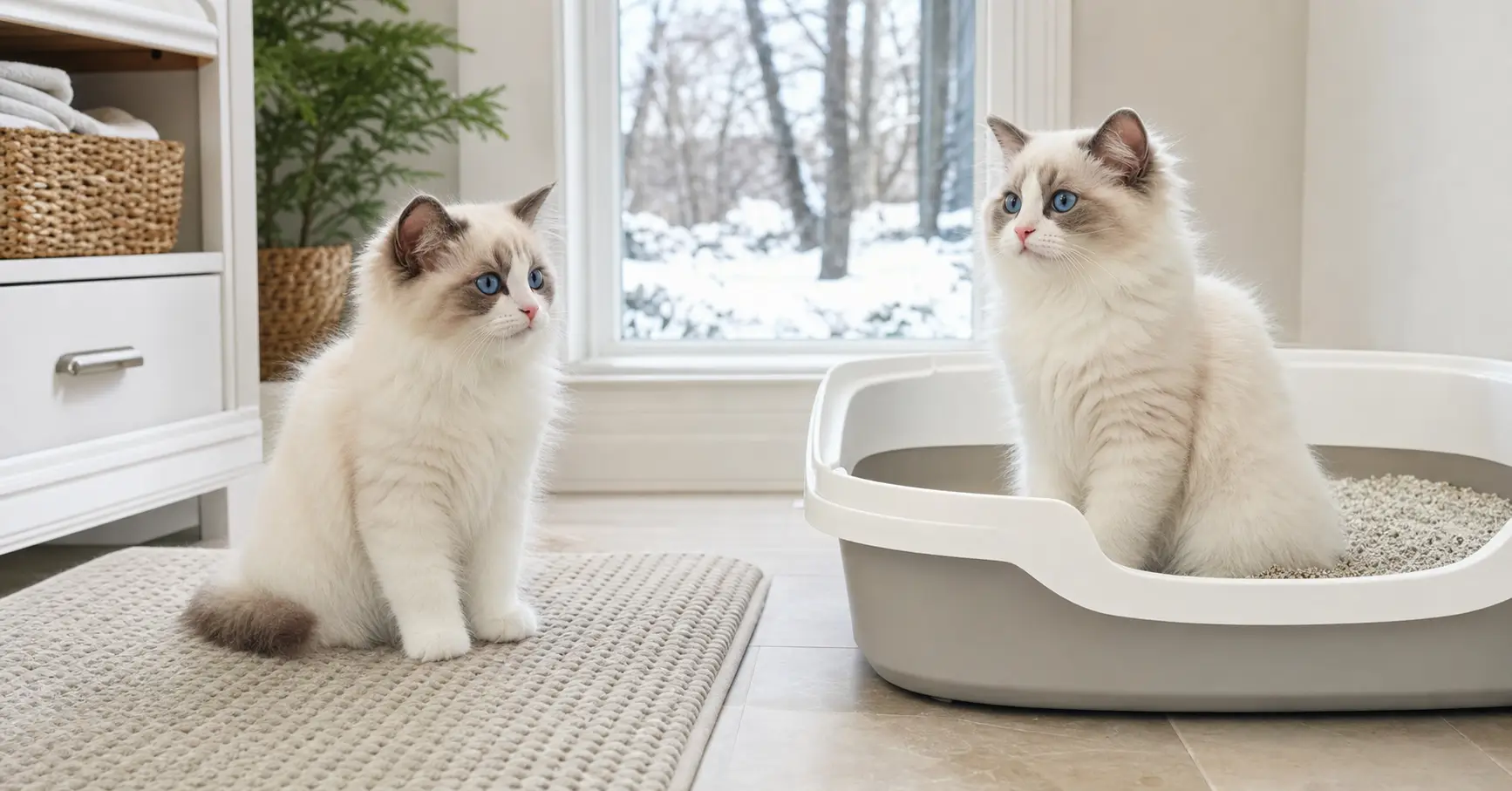
For a home with Ragdoll kittens and other cats, the best starting point is usually one litter box per cat, plus one extra, placed in separate, quiet locations. Choose open, stable boxes that are easy for a kitten to enter but roomy enough for a growing Ragdoll to turn, dig, and squat comfortably.
That basic plan needs a little adjustment for Connecticut homes. Basements, finished lower levels, mudrooms, heating systems, winter storms, and seasonal humidity can all affect where a box works best. A thoughtful setup reduces accidents, prevents one cat from guarding the only box, and makes daily cleaning easier.
Quick example: If you have one Ragdoll kitten and one adult cat, begin with three boxes. They do not need to be identical, but they should not all be lined up together. To the cats, three boxes in one small area may function more like one shared resource than three independent choices.
What makes a litter box kitten-friendly?
A kitten-friendly box should be easy to find, easy to enter, and large enough for normal behavior. Ragdolls do not require a special kind of litter box because of their breed, but they can grow into substantial, long-bodied cats. Planning for that growth prevents you from replacing undersized boxes every few months.
- Low entry: A young kitten should be able to walk in without climbing or jumping. Avoid tall sides that force a small kitten to struggle.
- Room to turn: The kitten should be able to turn around without brushing against every wall. A box that works today should still be usable as the kitten grows.
- Open design: An uncovered box makes it easier to monitor bathroom habits and gives a kitten more than one visible escape route. Some cats like covered boxes, but others avoid them because odors build up or another cat can block the entrance.
- Stable construction: Choose a box that will not slide, tip, or flex when a kitten steps into it. A non-slip mat underneath can help on smooth Connecticut floors.
- Simple materials: Smooth plastic is usually easier to wash than textured or heavily decorated surfaces. Skip liners if your cats scratch or catch their claws in them.
For a very young kitten, a low-sided starter box can be useful. Keep a larger box nearby rather than making a sudden switch. Once the kitten is confidently climbing in and out, the smaller box can be removed if you still have the recommended number available.
How many boxes do multiple cats need?
The widely used starting guideline is the number of cats plus one. It is a practical way to provide choice and reduce conflict, not a guarantee that every household will need exactly that number. A shy kitten, a senior cat, or a cat that has previously avoided the box may need a more customized arrangement.
| Total cats | Starting number of boxes | Helpful placement approach |
|---|---|---|
| 1 | 2 | Put them in separate quiet areas if possible. |
| 2 | 3 | Use different rooms or floors rather than one cluster. |
| 3 | 4 | Give every cat access without passing a likely blocker. |
Placement matters as much as the count. Put boxes in calm areas with normal household access, but do not hide them behind a closed door or at the end of a route where a cat can be cornered. Avoid placing the only box beside a washing machine, furnace, dryer, loud air handler, or busy doorway.
Keep litter boxes away from food and water. In a multilevel Connecticut home, having at least one box on each commonly used floor is often more practical than expecting a kitten to travel down a flight of stairs. A box in an unfinished basement should not be the only option; the kitten may avoid a dark, damp, noisy, or difficult-to-reach space.
Choosing the right setup for Ragdoll kittens
| Choice | Why it can work | What to watch for |
|---|---|---|
| Large open box | Easy access, good visibility, and room for growth. | It may need a mat underneath to catch scattered litter. |
| Low-sided kitten box | Simple for a small kitten to enter. | It may become too small quickly or allow more litter to spill. |
| Covered box | Can contain some scatter and suit a cat that prefers privacy. | Small openings, trapped odor, or one-way access can discourage use. |
| Large storage-style box | Offers generous floor space for a growing cat. | Only use one with a smooth, safe entry and no sharp cut edges. |
Start with the litter the kitten already knows whenever possible. A move to a new home is already a major change, so switching litter, box style, location, and feeding routine at the same time can make it difficult to identify the cause of a problem. If you want to change litter, make the transition gradually and follow advice from your veterinarian, especially for a very young kitten.
Many cats do well with unscented, low-dust litter. Strong perfumes can bother some cats and may make it harder to tell whether an odor comes from the box or a health issue. The best substrate is one the cats consistently use. If a kitten ignores a new litter, return to the familiar option and make changes more slowly.
Ragdolls often have a soft, longer coat, so litter can cling to fur around the feet or become scattered beyond the box. A washable tracking mat and regular, gentle grooming can help. Do not rely on a mat to replace scooping; a dirty box can still cause avoidance even when the surrounding floor looks clean.
A seasonal litter-box guide for Connecticut
Spring: check damp areas and tracking
Spring rain and thawing snow can make basements and lower-level rooms damp. Check that a box is not sitting on a wet floor or near a leak, and use a washable mat where muddy paws may track debris. If you move a box after cleaning or reorganizing, place the replacement nearby and leave the familiar box available until the cats are using the new location reliably.
Summer: manage heat, humidity, and odors
Do not place a box in direct sun, beside a hot appliance, or in a poorly ventilated room that becomes uncomfortable. Humid air can make odors more noticeable, but adding fragrance is not the best first response. Scoop consistently, keep unused litter sealed in a dry container, and provide normal household ventilation without directing a loud fan at the cats.
Fall: protect the routine
Back-to-school schedules, visitors, and changes in heating can make a previously quiet area suddenly busy. Watch whether children, dogs, or household traffic are making a box feel unsafe. When the furnace or other equipment starts running, listen for new noise and vibration near the litter area. A box that is technically accessible may still be unattractive if a kitten is startled every time it enters.
Winter: keep access reliable
Never make an unheated garage, porch, or mudroom the only bathroom option during a Connecticut winter. Snow, ice, salt, and a closed interior door can quickly turn a familiar route into an inaccessible one. Keep a supply of the usual litter indoors, and make sure boxes remain reachable during storms or power outages. If a box must be moved temporarily, keep the new location close to the old one and add another box rather than removing the original immediately.
Cleaning and daily management
Scoop at least once a day; some households need to scoop more often when several cats share the space. Remove waste carefully, maintain the litter depth your cats prefer, and top up as needed. Emptying and washing the box should follow the litter manufacturer’s instructions and your cats’ tolerance. Use mild, unscented soap, rinse thoroughly, and let the box dry before refilling it.
Avoid strong fragrances and never mix cleaning products. If a cat has an accident outside the box, use a pet-safe enzymatic cleaner according to its label so lingering odor does not draw the cat back to the same spot. Do not punish a kitten for an accident; punishment can make the box or the person nearby feel unsafe.
When litter-box avoidance needs attention
A new accident is a reason to assess both health and environment. Check whether the box is dirty, too small, hard to reach, near a noisy appliance, or being guarded by another cat. Also consider recent changes such as a move, new pet, new litter, construction, or a different cleaning product.
Medical problems can look like behavior problems. Contact your veterinarian if a cat suddenly stops using the box, urinates unusually often, cries while urinating, has blood in the urine, strains, or produces little or no urine. Little or no urine can be an emergency, particularly in male cats. Cornell Feline Health Center provides additional guidance on litter-box problems and when veterinary evaluation is appropriate.
If conflict is suspected, add a box in a separate location and observe quietly. A cat should be able to enter, use the box, and leave without being ambushed. A veterinarian or qualified feline behavior professional can help when avoidance continues after environmental changes.
Frequently asked questions
Should I use an automatic litter box for a Ragdoll kitten?
It is usually better to begin with a simple, open box so the kitten can learn the routine without motor noise, moving parts, or a small entry. An automatic box can be considered later if it is large enough, safe, easy to access, and accepted by the cat. Keep at least one conventional box available during any trial.
Can all of the boxes stay in one room?
They can, but that is not ideal for many multilevel or multi-cat homes. Separate locations give cats more choice and reduce the chance that one cat can guard every entrance. If one room is your only practical option, spread the boxes apart and avoid placing them side by side.
When should I replace a low-sided kitten box?
Replace or supplement it when the kitten has difficulty turning, the sides are no longer containing litter, or the box becomes difficult to keep clean. Introduce the larger box beside the familiar one instead of removing the old option abruptly.
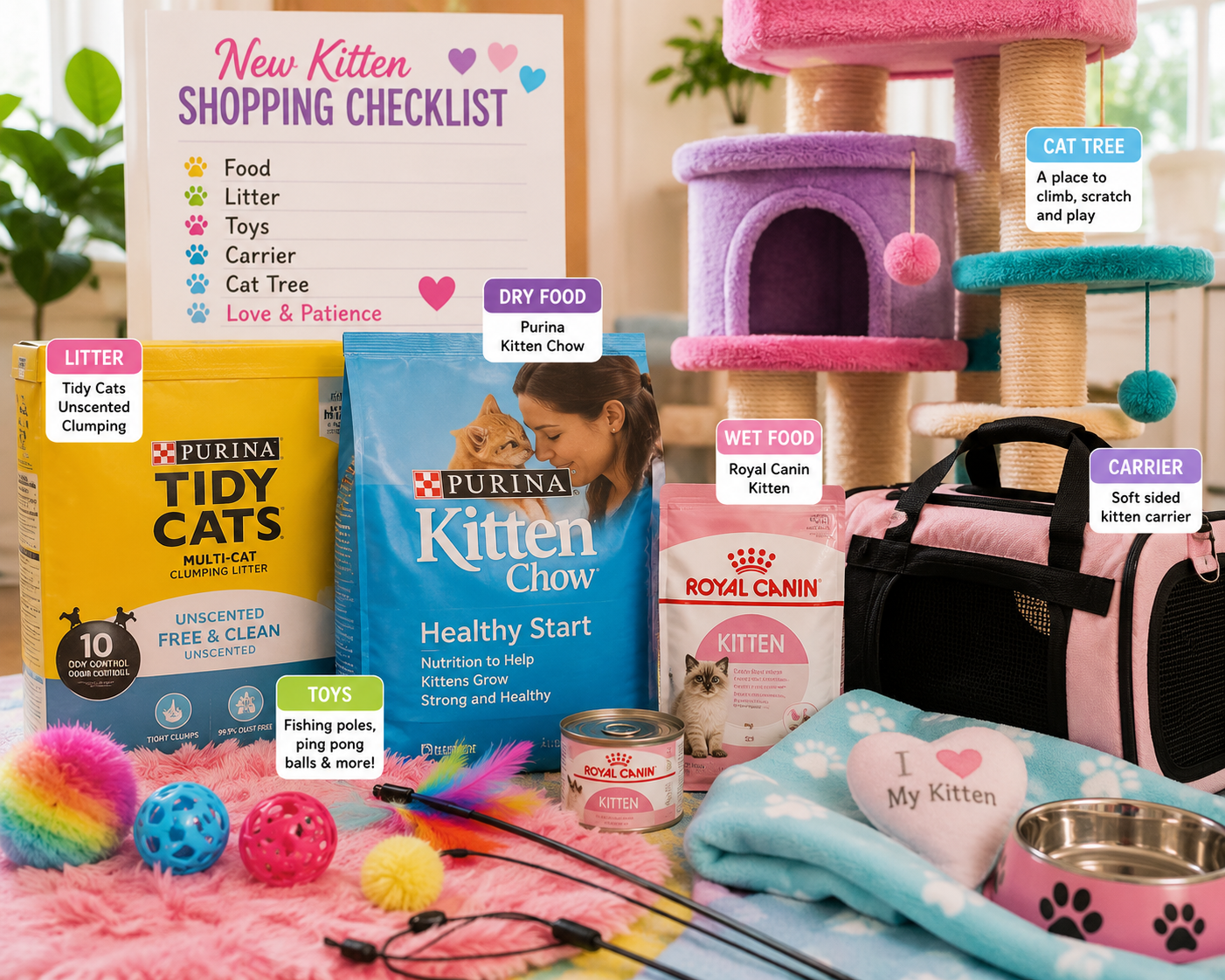
A practical shopping checklist
- One box per cat, plus one extra
- At least one low-entry option for a young kitten
- Roomy open boxes for growing cats
- Unscented litter already familiar to the kitten
- Washable tracking mats
- A scoop and mild, unscented cleaning supplies
- A dry indoor place to store replacement litter
There is no single perfect box for every cat. The most successful setup is the one your cats can reach easily, use without feeling threatened, and find clean enough every day. For more guidance on bringing a Ragdoll kitten into your home, explore the kitten-care resources at CTkittens.com.
For additional information about litter-box avoidance and possible health concerns, see the Cornell Feline Health Center’s litter-box guidance.

Rachel Cohen is a journalist and producer with a passion for audio storytelling, health and science reporting, and feline companions.
A graduate of Middlebury College, Rachel spends her weekends exploring the mountains and when she isn’t outdoors or chasing a story, she can usually be found hanging out with her cats.
Ngl, the point that three boxes lined up basically count as one to a cat make so much sense, I been arranging mine all wrong lol.
Has anyone tried the cat-plus-one setup in a small apartment, cause three giant Ragdoll boxes sounds kinda impossible ngl?
Anyone tried a dehumidifier near basement boxes during those gross CT summers, or does the noise just freak kittens out more lol?
The bit about three boxes side-by-side basically counting as one resource was such a useful detail, cuz honestly I would’ve lined em all up and called it done lol.
That detail about three boxes side-by-side basically counting as one resource is lowkey brilliant, cause cats dont care about our human math lol.
Only thing I’d push back on is open boxes being the default, cause my fluffball kicks litter like he’s excavating ancient ruins lol.
Ngl, I never thought a basement box could basically become unusable during a Connecticut storm, so keeping a backup upstairs makes way more sense than just buying three boxes and calling it done lol.