
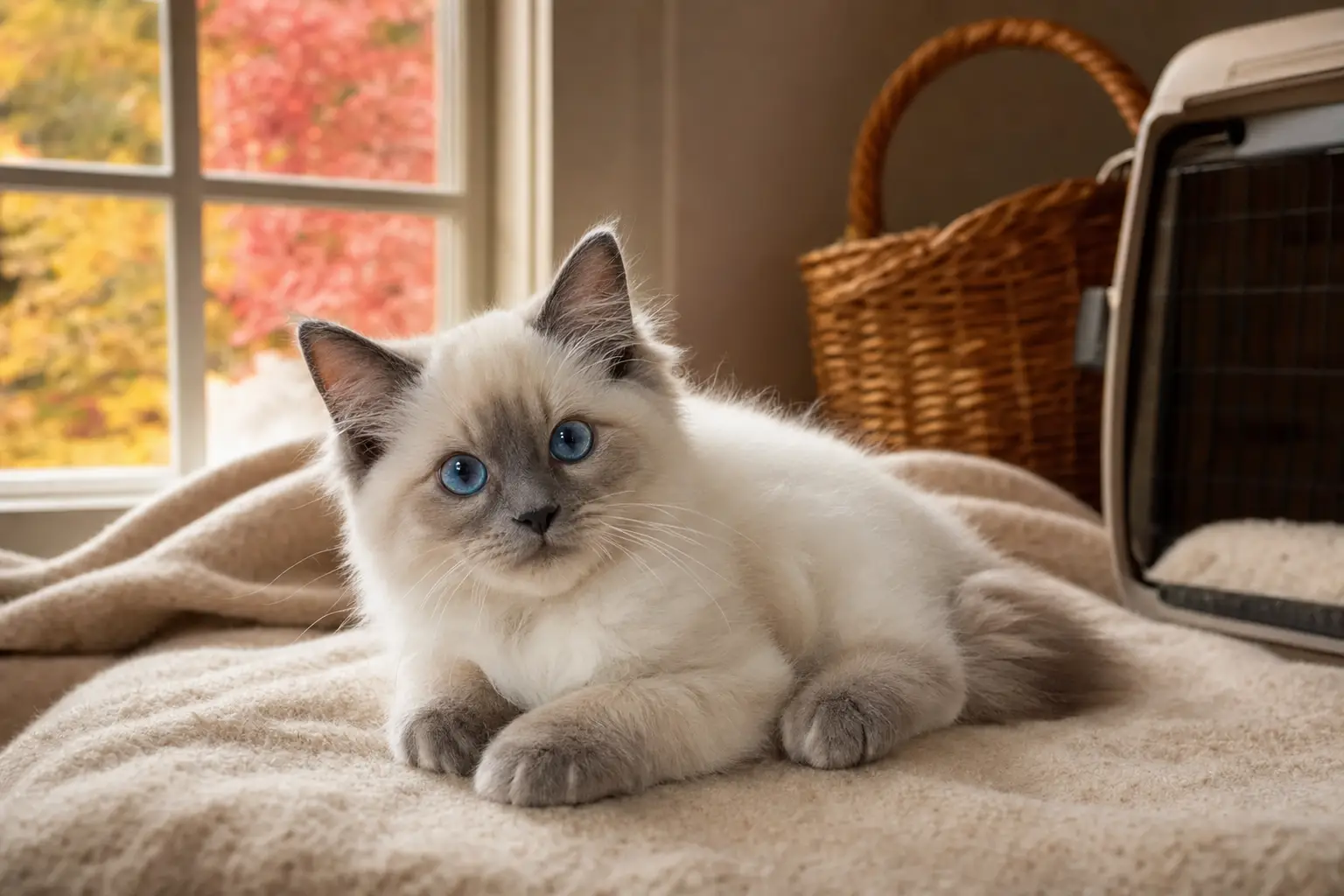
Ragdoll Kittens in Connecticut: A Cozy Autumn Weekend Plan for Massachusetts Families
Short answer: The best kitten-friendly Connecticut weekend is not a busy sightseeing trip with a young cat in tow. It is a carefully planned visit to meet a kitten, ask thoughtful health and care questions, and—if the timing is right—make a direct, quiet journey home. Autumn activities can be part of the family weekend, but the kitten’s needs should determine the schedule.
For families driving from Massachusetts, that distinction matters. A breeder appointment or adoption meeting may fit nicely into a Connecticut fall getaway. A crowded pumpkin festival, long restaurant stop, or leaf-peeping route usually does not. Young kittens may be stressed by unfamiliar places and may not yet have completed their recommended veterinary care.
Start with a kitten-first definition of the weekend
Ragdolls are known for blue eyes, a soft semi-long coat, and a generally people-oriented reputation. Still, a breed does not guarantee a particular personality. Each kitten is an individual, and early socialization, health, handling, and the home environment all matter.
Before choosing dates, decide which of these three plans describes your family:
- Meeting a kitten: The kitten remains with the breeder or rescue while your family visits by appointment. This is the easiest option to combine with a separate autumn outing.
- Picking up a kitten: The family travels to Connecticut, completes the visit and paperwork, then heads home with few or no extra stops. Home—not a hotel or attraction—should be the destination.
- Traveling while your kitten is already at home: Arrange a reliable, experienced caregiver rather than taking a young kitten on a recreational trip.
This approach lets children enjoy Connecticut’s autumn scenery without turning the kitten into a prop for the weekend. It also gives your family time to make a thoughtful decision instead of feeling pressured by a one-day visit.
Before leaving Massachusetts: build a useful plan
Confirm the appointment and the kitten’s readiness
Ask for a specific appointment time and confirm whether children may attend. Request the kitten’s date of birth, current food, litter type, veterinary records, vaccination history, deworming information, and any identification or registration paperwork that applies. A responsible seller or rescue should be willing to explain what is included in the adoption or purchase agreement.
If you are considering a pedigreed Ragdoll, ask what health screening has been performed on the parents. In particular, ask whether the known Ragdoll hypertrophic cardiomyopathy, or HCM, variant has been tested for. A DNA result can provide useful information, but it cannot rule out every form of heart disease or replace veterinary care. The UC Davis Veterinary Genetics Laboratory is one reliable source for understanding what genetic testing can and cannot show.
Check current travel requirements
Because you are crossing a state line, do not rely on a casual verbal answer about paperwork. Ask your veterinarian, the breeder or rescue, and both state agriculture departments which current requirements apply to a kitten of that age. Rules can depend on the animal’s age, vaccination status, origin, and purpose of travel.
Useful starting points are the Connecticut Department of Agriculture and the Massachusetts Department of Agricultural Resources. Confirm requirements several days before pickup, not while your family is already on the road.
Prepare the car and the house
Use a sturdy, well-ventilated carrier that can be secured so it will not slide. A kitten should not ride loose in the vehicle or on a child’s lap. Keep the carrier away from an active front passenger airbag, and never leave the kitten unattended in a parked car—even during cool autumn weather. The American Veterinary Medical Association’s pet travel guidance offers practical preparation and safety advice.
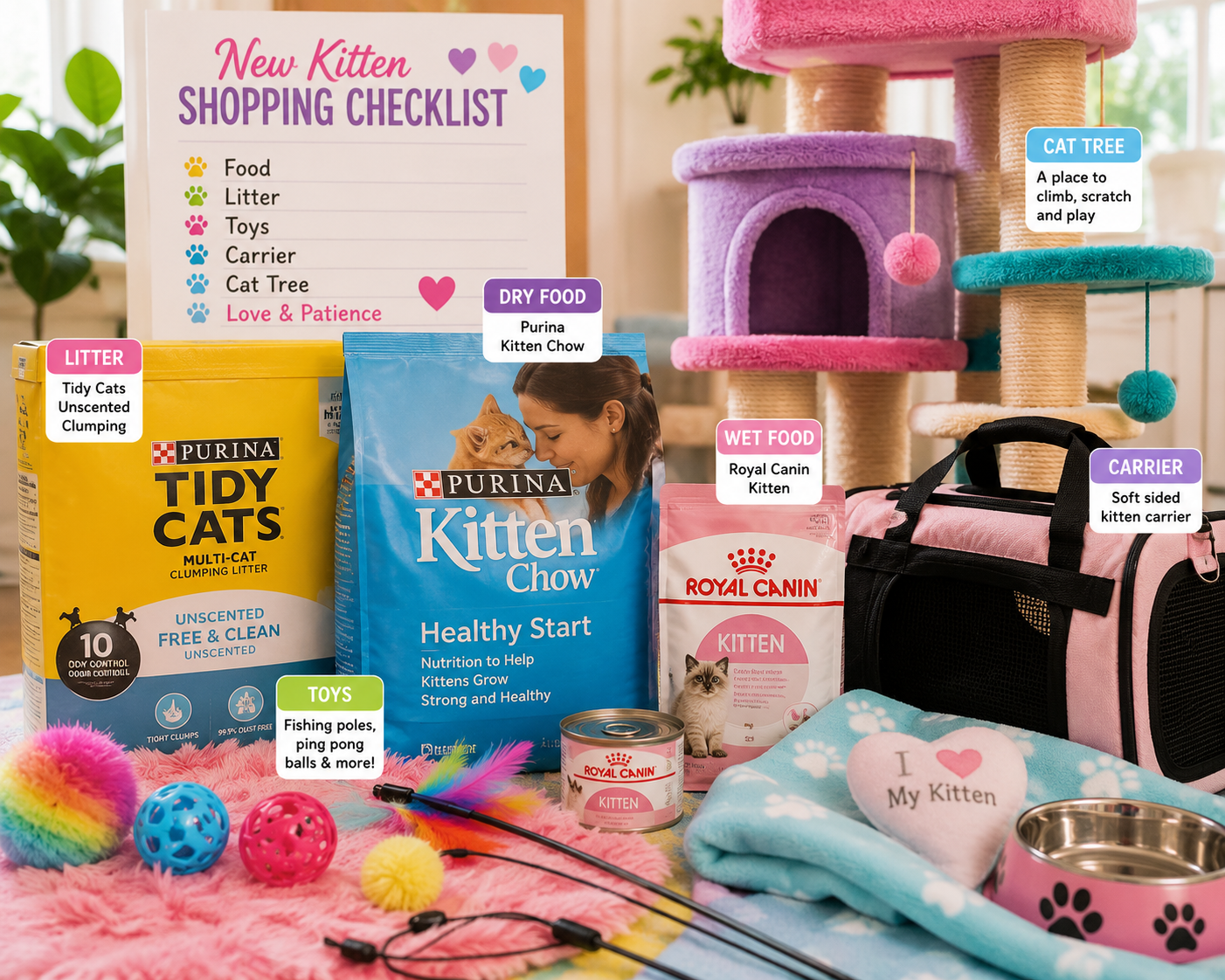
At home, set up one quiet room before the trip. Include food and water bowls, the same food the kitten has already been eating, a litter box with familiar litter, a washable bed, hiding space, and a few safe toys. A smaller starter room is often less overwhelming than giving a new kitten the entire house immediately.
A calm Connecticut weekend itinerary
Friday evening: prepare instead of rushing
Pack the carrier, a towel or washable blanket, paper towels, waste bags, bottled water, food, a small litter tray for emergencies, and copies of the kitten’s records. Save the phone number and address of your regular veterinarian and identify an emergency clinic near home.
For the children, agree on simple rules before the visit: sit on the floor, let the kitten approach, use quiet voices, and do not pick up the kitten without an adult’s permission. These rules help children participate without overwhelming a cautious animal.
Saturday morning: make the Connecticut visit purposeful
Leave enough time for traffic, weather, and a conversation that may take longer than expected. During the visit, look at the kitten’s living environment and observe whether the cats appear clean, alert, and comfortably socialized. Ask to see the kitten’s mother when appropriate and ask how the kittens are handled, fed, and introduced to ordinary household sounds.
Good questions include:
- What veterinary care has the kitten received, and what is due next?
- What food and litter does the kitten know?
- How does the seller or rescue handle illness after adoption?
- Is there a written contract, health guarantee, return policy, or adoption support?
- What health testing was performed on the parents, and can you review the records?
Be cautious if you are pushed to make an immediate decision, cannot review records, are discouraged from asking questions, or are offered a kitten with no clear explanation of its history. A polished website or a kitten with an appealing coat is not a substitute for transparent care practices.
Saturday afternoon: separate sightseeing from kitten pickup
If you are only meeting a kitten and it will remain at the breeder or rescue, your family can enjoy a quiet outdoor activity afterward, provided the destination is appropriate for your children and does not involve bringing the kitten. Check attraction rules in advance; many farms, markets, and food venues do not permit pets.
If you are picking up the kitten, skip the extra stops. Offer a small amount of the familiar food only if advised, keep the carrier closed, and drive directly home with reasonable breaks. Do not open the carrier outdoors or in a parking lot. A frightened kitten can escape quickly.
Sunday: let home be the event
Once home, carry the closed carrier into the prepared room and open the door when the room is secure. Let the kitten come out at its own pace. Children can take turns sitting quietly nearby, but the kitten should always have a place to hide and a break from handling.
Schedule a veterinary visit according to your veterinarian’s advice and bring every record you received. Do not change food, introduce a parade of visitors, or begin a full-house exploration on the first day unless the kitten is clearly comfortable. A quiet start makes it easier to notice changes in appetite, energy, stool, breathing, or behavior that deserve a call to the veterinarian.
Autumn hazards families often overlook
Fall decorations and seasonal gatherings can create risks that are easy to miss when everyone is excited about a new kitten.
- Keep candles, fireplaces, space heaters, electrical cords, ribbon, yarn, and small decorative pieces out of reach.
- Do not allow access to lilies or unknown plants. If a kitten chews a plant or ingests a potentially toxic substance, contact a veterinarian or the ASPCA Animal Poison Control Center promptly.
- Store antifreeze, pest products, rodent bait, and household cleaners securely.
- Skip costumes, noisy gatherings, and forced introductions. A kitten does not need to participate in Halloween photos to be part of the family.
- Keep doors closed during visitors’ arrival and departure. A new kitten may slip through an open door before anyone realizes it is missing.
Outdoor autumn scenery is best enjoyed by the family while the kitten rests safely indoors. Until your veterinarian advises otherwise, avoid taking a young kitten to public pet-heavy places, especially if its vaccination series is still in progress.
What families should budget beyond the kitten
The purchase or adoption fee is only one part of the first-year plan. Include an initial veterinary examination, future vaccinations, parasite prevention when appropriate, a carrier, litter supplies, scratching surfaces, grooming tools, food, and an emergency fund. Ragdolls have a semi-long coat, so ask the veterinarian or an experienced groomer to show your family a gentle brushing routine.
Also talk through everyday responsibilities before the weekend. Decide who will refresh the litter, measure meals, provide playtime, brush the coat, and arrange care during school breaks. Children can help, but an adult should remain responsible for health decisions and consistent care.
FAQ
Can I take a Ragdoll kitten leaf-peeping in Connecticut?
Usually, that is not the best plan for a young kitten. A direct trip home after pickup is very different from spending hours in a car, visiting crowded places, or stopping at unfamiliar businesses. If your family wants a fall outing, schedule it separately and keep the kitten in a quiet, secure environment.
How long can a kitten safely travel from Connecticut to Massachusetts?
There is no single distance or time limit that fits every kitten. Age, health, temperament, weather, traffic, and the route all matter. Ask your veterinarian and the kitten’s current caregiver for individualized guidance. For a healthy kitten, a well-prepared direct journey is generally more sensible than a long recreational itinerary.
Are Ragdolls hypoallergenic?
No cat is reliably hypoallergenic, and Ragdolls still produce allergens and shed. If someone in the household has allergies, spend time around adult cats before committing, discuss symptoms with a healthcare professional, and do not rely on coat color or breed marketing promises.
Plan a gentler first chapter
A Connecticut autumn weekend can be a lovely way for a Massachusetts family to meet Ragdoll kittens, learn how they are raised, and prepare for responsible ownership. Keep the kitten’s visit calm, keep sightseeing separate from pickup, and make the first day at home deliberately uneventful.
Ready to continue your planning? Explore CTkittens.com for more information about Ragdoll kittens and the next steps toward welcoming one into your family.
Helpful sources

Rachel Cohen is a journalist and producer with a passion for audio storytelling, health and science reporting, and feline companions.
A graduate of Middlebury College, Rachel spends her weekends exploring the mountains and when she isn’t outdoors or chasing a story, she can usually be found hanging out with her cats.
That bit about never opening the carrier in a parking lot is lowkey the most useful advice here, cause excited families forget stuff like that and kittens be fast as hell.
Only thing I’d push back on is the strict one-room setup, some kittens gets confident fast and wanna explore, so following their vibe seems better tbh.
Only bit I’d push back on is skipping every stop after pickup, cuz with Mass traffic a quick safe check-in might be less stressful than pretending the drive’ll go perfectly lol.
Honestly the “Sunday: let home be the event” bit is the smartest advice here, folks get so hyped they forget a tiny kitten probably just wants a quiet room and zero pumpkin-patch chaos lol.
Honestly the “let home be the event” bit changed my whole plan, cuz dragging a brand-new kitten through a cider mill sounds cute online but probably stressful as hell irl.
Kinda wild how a “cozy kitten weekend” really means doing paperwork, skipping cider stops, and driving straight home, but honestly thats way less stressful for the lil floof.
Honestly the “Sunday: let home be the event” bit hits, folks forget a tiny kitten dont care about your cute fall itinerary and just needs somewhere chill to decompress.