
One of the most common questions new kitten owners ask is, “What litter should I use?” Choosing the right litter can make a big difference in your cat’s comfort, your home’s cleanliness, and your kitten’s success with litter box training.
At CT Persian and Ragdoll Kittens, we begin litter training our kittens before they go home. By the time they join their new families, they already understand the basics of using a litter box. However, it’s important to remember that kittens are still learning. Moving to a new home can be overwhelming, and your continued guidance will help your kitten succeed.
In this guide, we’ll cover safe litter options, products available in Connecticut, and the best way to continue litter training after bringing your Persian or Ragdoll kitten home.
Why Choosing the Right Litter Matters
Persian and Ragdoll cats are known for their luxurious coats and gentle personalities. Because both breeds spend most of their lives indoors, their litter box environment plays a major role in their daily comfort.
The ideal litter should:
- Control odor effectively
- Be low in dust
- Be gentle on sensitive paws
- Be easy to scoop
- Encourage consistent litter box use
For Persian cats especially, low-dust litter is important because their flat faces can make them more sensitive to airborne dust particles.
Safe Litter Options for Persian and Ragdoll Cats
Unscented Clumping Clay Litter
This is one of the most popular choices among cat owners because it is affordable, easy to scoop, and readily available.
Popular options include:
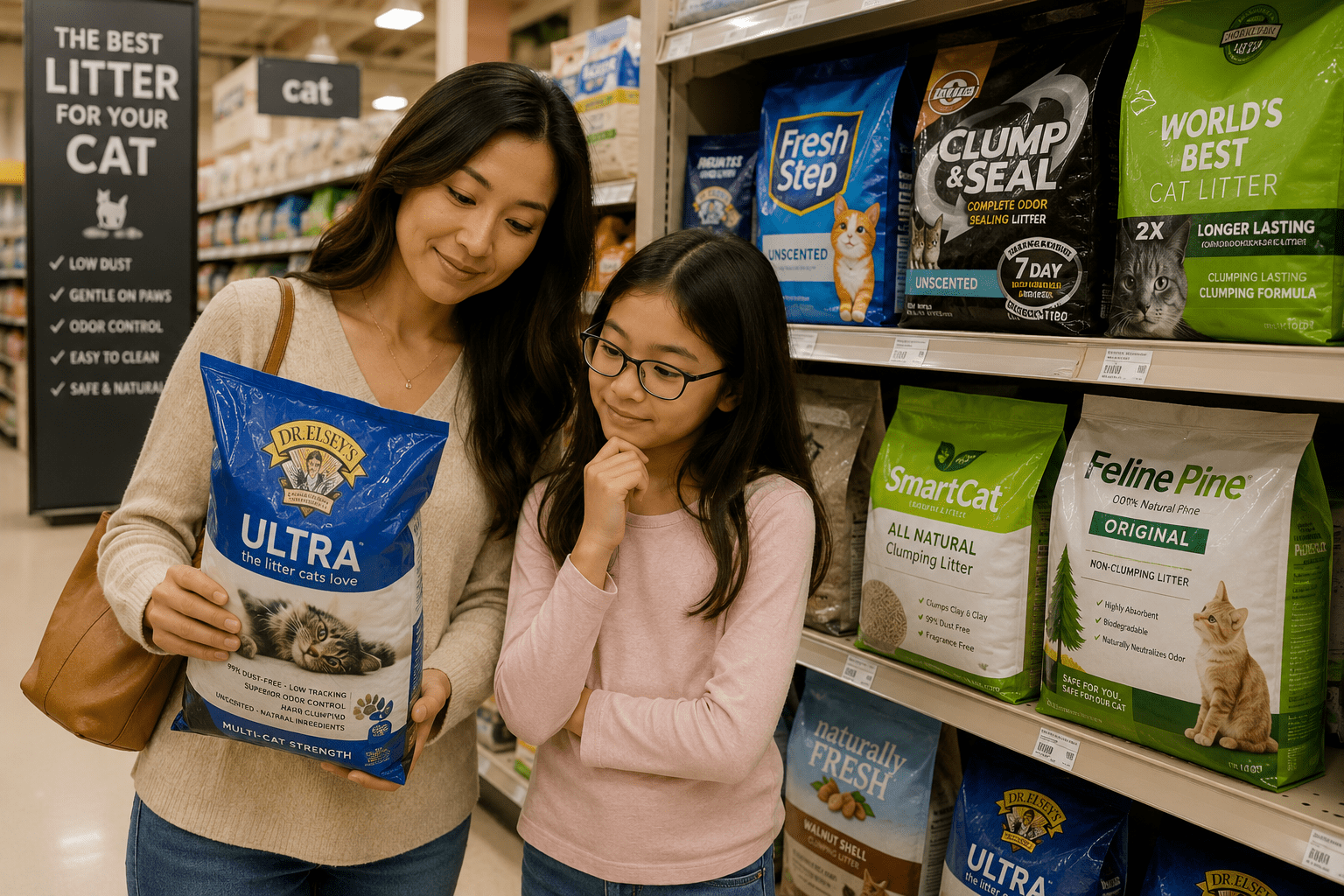
- Dr. Elsey’s Ultra Unscented Cat Litter
- Fresh Step Unscented Clumping Litter
- Arm & Hammer Clump & Seal Unscented
These products can be found at many Connecticut pet stores, including Petco, PetSmart, Tractor Supply, and local pet retailers.
Natural Corn Litter
Corn-based litters are often lower in dust and environmentally friendly.
Popular option:
- World’s Best Cat Litter
Many Persian and Ragdoll owners appreciate its strong odor control and lightweight formula.
Grass Seed Litter
Grass litter is soft on kitten paws and produces very little dust.
Popular option:
- SmartCat All Natural Clumping Litter
This can be a great choice for kittens transitioning to a new home.
Pine Pellet Litter
Pine pellets are natural and highly absorbent.
Popular option:
- Feline Pine Original
Some cats love pellet-style litter while others prefer finer textures. If you’re switching litter types, make changes gradually.
Litters We Recommend Avoiding for Young Kittens
Very young kittens can be curious and occasionally taste things they shouldn’t.
For newly adopted kittens, avoid:
- Highly scented litters
- Crystal litters if your kitten is not accustomed to them
- Litters with strong perfumes
- Abrupt changes in litter type
Consistency is one of the keys to successful litter box habits.
Bringing Your Kitten Home: What to Expect
At CT Persian and Ragdoll Kittens, we start litter training before your kitten leaves for their new home. Most of our kittens are using the litter box independently before adoption.
However, moving to a new environment can temporarily confuse even the most confident kitten.
Your kitten is learning:
- A new home
- New smells
- New people
- New routines
Occasional accidents during the first few days do not mean your kitten isn’t trained. It simply means they need time, patience, and guidance.
How to Continue Litter Training Your New Kitten
Start Small
For the first few days, keep your kitten in a smaller area of your home such as:
- A bedroom
- A home office
- A kitten-safe guest room
This allows them to easily locate their litter box while adjusting to their new surroundings.
Show Them the Litter Box
When you first arrive home, place your kitten directly in the litter box.
Continue placing them in the box:
- After meals
- After naps
- After active play sessions
These are common times when kittens need to eliminate.
Use Multiple Litter Boxes
A good rule is:
One litter box per cat, plus one extra.
Even a single kitten benefits from having multiple litter box locations in a larger home.
Keep Boxes Clean
Cats naturally prefer clean litter boxes.
Scoop at least once daily and perform regular deep cleanings.
A dirty litter box is one of the most common reasons cats avoid using it.
Reward Success
When your kitten uses the litter box correctly:
- Offer praise
- Give gentle affection
- Reward with a favorite treat
Positive reinforcement helps build confidence and reinforces good habits.
Common Mistakes New Owners Make
Giving Too Much Space Too Soon
Many accidents occur when a kitten suddenly has access to an entire house.
Gradually expand your kitten’s living space as they consistently use the litter box.
Frequently Changing Litters
Cats often prefer consistency. If you plan to switch litter brands, do so slowly over several days.
Moving the Litter Box Repeatedly
Once your kitten learns the box location, try to keep it there.
Frequent changes can create confusion.
Why Our Kittens Transition So Well
At CT Persian and Ragdoll Kittens, we spend significant time socializing our kittens and introducing them to important daily routines, including litter box use.
By the time our Persian and Ragdoll kittens leave for their new homes, they have already learned many of the foundations needed to become successful family companions.
Our goal is to make the transition as smooth as possible for both the kitten and their new family.
Looking for a Persian or Ragdoll Kitten in Connecticut?
At CT Persian and Ragdoll Kittens, we are passionate about raising healthy, well-socialized kittens with wonderful temperaments.
From litter training and grooming to nutrition and ongoing support, we are here to help every step of the way.
Whether you’re looking for a cuddly Persian kitten or an affectionate Ragdoll companion, we’d love to help you find your perfect feline family member.
Contact CT Persian and Ragdoll Kittens to learn about available kittens and upcoming litters.

Rachel Cohen is a journalist and producer with a passion for audio storytelling, health and science reporting, and feline companions.
A graduate of Middlebury College, Rachel spends her weekends exploring the mountains and when she isn’t outdoors or chasing a story, she can usually be found hanging out with her cats.
Great info thanks!