
Is a Ragdoll Cat a Good Choice for Families?
Ragdoll cats are one of the most loved breeds for families because they are known for their gentle personality, affectionate nature, beautiful blue eyes, and soft semi-long coat. Many families are drawn to Ragdolls because they often enjoy being near people without being overly demanding.
The Cat Fanciers’ Association describes Ragdolls as gentle, calm, sociable, and loving without being demanding. TICA also describes the Ragdoll as a large, affectionate, semi-longhaired breed that often gets along well with children and other pets, including dogs.
That said, every kitten has its own personality. A Ragdoll can be a wonderful family companion, but success depends on proper socialization, a calm introduction, respectful handling, and a home that understands a kitten’s needs.
Why Families Love Ragdoll Cats
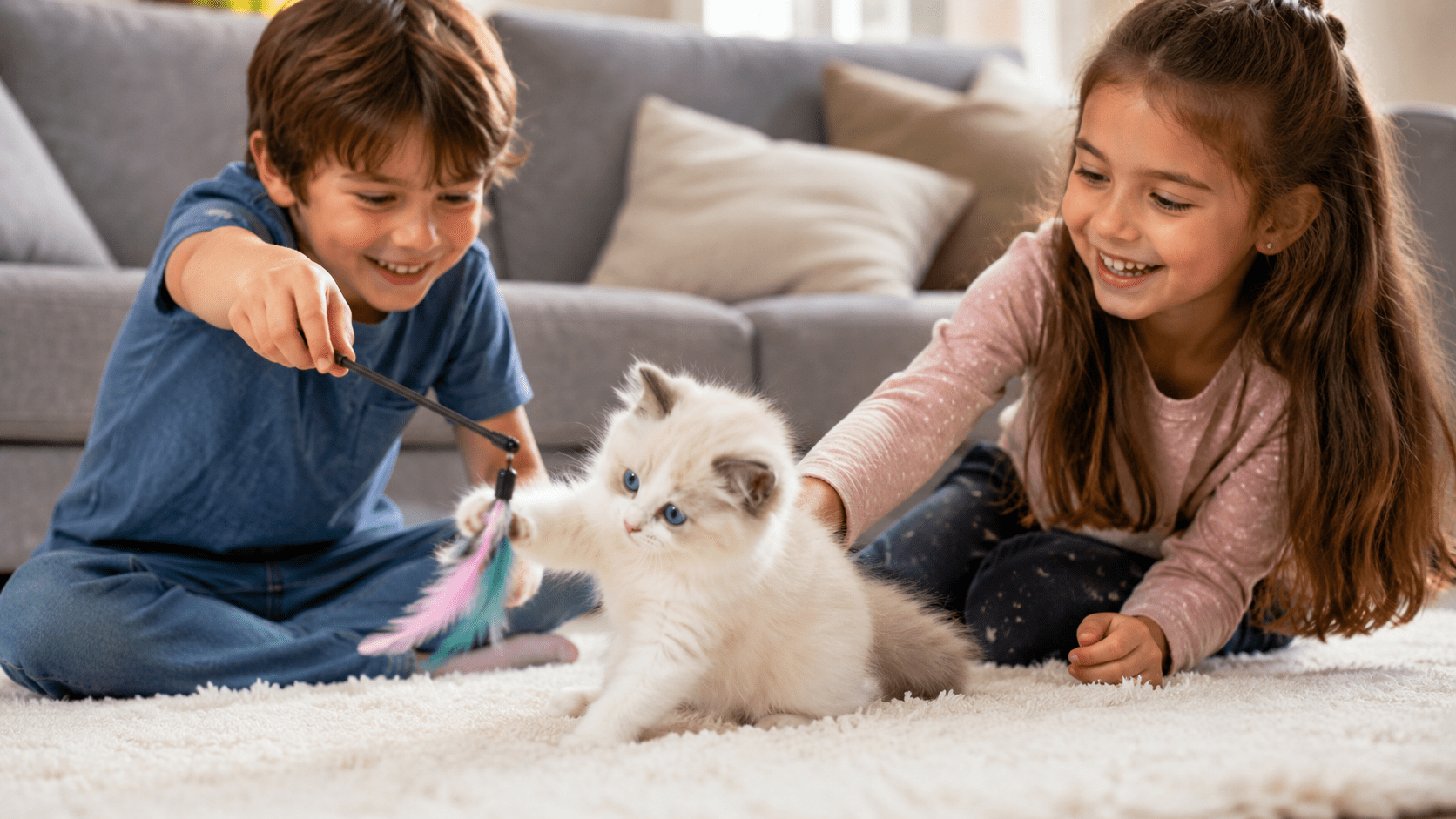
Ragdolls are often called “gentle giants” because they are larger cats with soft, relaxed personalities. They tend to enjoy human companionship and often like being part of daily family life. Many Ragdolls follow their owners from room to room, sit nearby during family time, and enjoy attention from people they trust.
For families with children, this can be a beautiful match. A well-socialized Ragdoll kitten can grow up seeing children, household noise, visitors, and normal family activity as part of life. This helps create a confident, affectionate cat.
Ragdolls are also known for being less extreme in body type compared with some breeds, and TICA notes that they can blend well into a busy modern household.
Are Ragdoll Cats Good With Kids?
Ragdolls are often a strong option for families with children, but children must be taught how to interact with cats properly. Even the sweetest kitten should not be treated like a toy.
Children should learn to:
Pet gently.
Avoid pulling the tail, ears, legs, or fur.
Let the kitten walk away when it wants space.
Avoid chasing the kitten.
Use calm voices around the kitten.
Never pick up the kitten roughly.
Supervision is especially important with younger children. Pet safety guidance recommends supervised interactions and teaching children to pet cats only when the cat is comfortable and interested in attention.
A Ragdoll may be patient, but patience should never be tested. The best family homes are the ones where the children are taught kindness, boundaries, and respect from the beginning.
Are Ragdolls Good With Dogs and Other Cats?
Many Ragdolls can do well with other pets, including friendly dogs and other cats. TICA specifically notes that Ragdolls often get along well with children and other pets, including dogs.
However, introductions should always be slow. A new kitten should not be placed directly into the middle of the household with resident pets. Cats are territorial, and even a gentle kitten needs time to adjust to new smells, sounds, rooms, and animals.
A good introduction usually starts with a separate room for the new kitten. Cornell Feline Health Center recommends that a new cat be checked by a veterinarian soon after coming home, and if there are already cats in the home, the newcomer should be kept separated until a veterinary exam has been completed, especially when health history is unknown.
For cat-to-cat introductions, a slow staged process is best. Allow pets to get used to each other’s scent first, then move gradually to controlled visual contact and supervised meetings. ASPCA Pet Health Insurance and UC Davis both emphasize gradual introductions, patience, and using positive associations such as food, attention, or play.
What Kind of Home Is Best for a Ragdoll?
Ragdolls usually do best in homes where they receive attention, affection, and gentle daily interaction. They are people-oriented cats, so they may not enjoy being ignored for long periods every day.
A good Ragdoll home usually has:
A calm place for the kitten to rest.
Safe spaces away from children or other pets.
Regular playtime.
Gentle brushing.
Clean litter boxes.
A predictable feeding routine.
A family that understands cat body language.
Ragdolls are affectionate, but they still need independence. A kitten should always have a quiet place where it can nap without being disturbed.
What Families Should Prepare Before Bringing a Ragdoll Kitten Home
Before bringing your Ragdoll kitten home, prepare the house so the transition feels safe and positive.
You should have:
A litter box in an easy-to-find location.
Kitten food recommended by the breeder or veterinarian.
Food and water bowls.
A scratching post.
A soft bed.
Safe toys.
A brush or comb for the coat.
A carrier.
A quiet starter room.
The first few days should be calm. Let the kitten explore one room first before giving access to the whole house. This helps reduce stress and gives the kitten a safe base.
Grooming Needs for a Ragdoll Cat
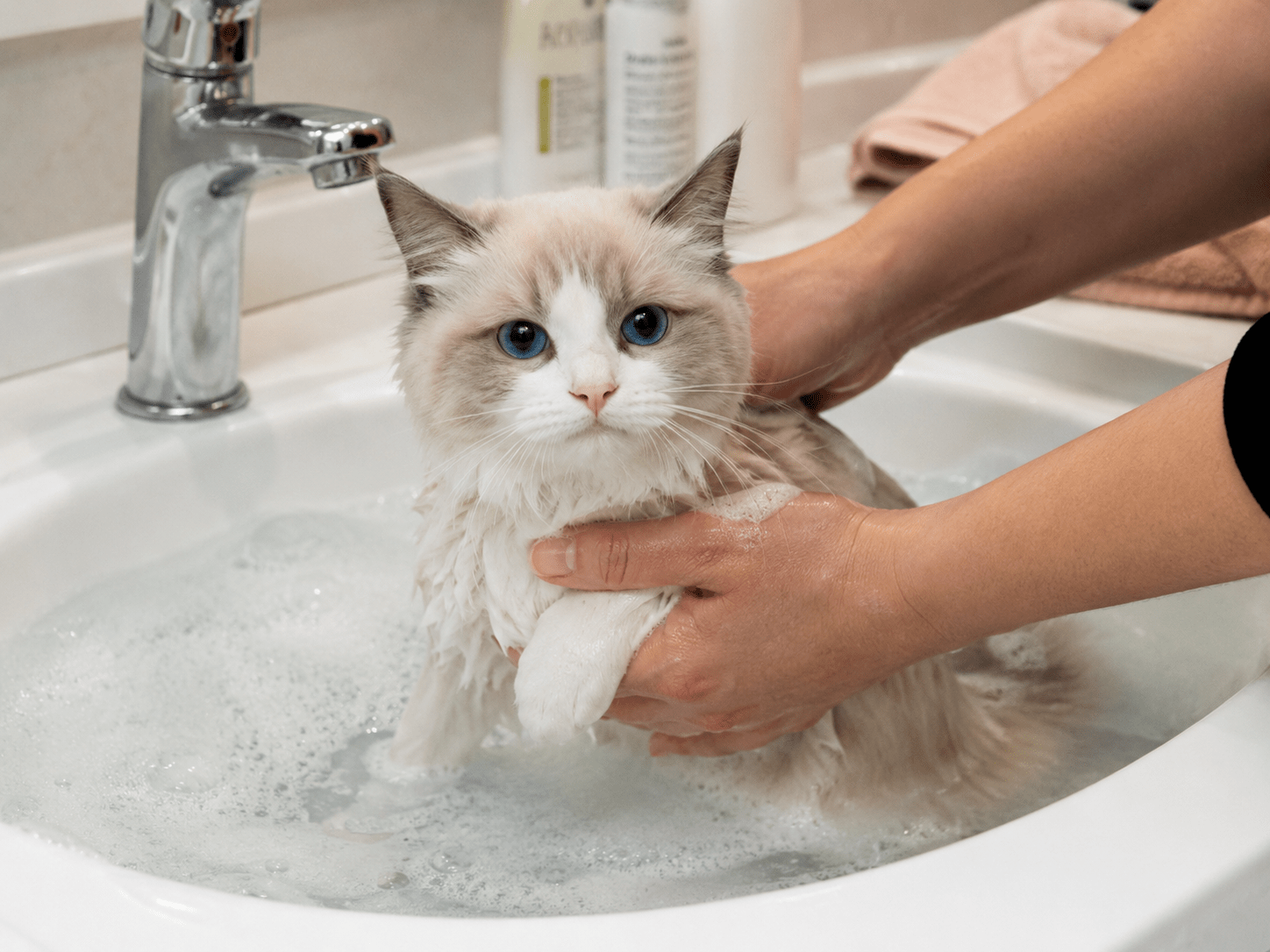
Ragdolls have a beautiful semi-long coat. Their coat is usually easier to maintain than a Persian’s coat, but it still needs regular care. CFA notes that Ragdolls need some grooming to keep the coat looking its best and recommends regular combing at least once or twice a week.
Families should expect to brush their Ragdoll regularly, especially around the chest, belly, back legs, and tail. Brushing helps reduce tangles, loose hair, and hairballs. It also gives children a chance to learn gentle care, as long as an adult supervises.
Teaching Kids How to Live With a Ragdoll
A Ragdoll can teach children empathy, patience, and responsibility. Simple daily tasks can help children feel involved, such as filling the water bowl, helping brush the kitten gently, or placing toys back in the kitten’s area.
However, adults should remain responsible for the kitten’s real care. Children can help, but they should not be fully responsible for feeding, grooming, litter cleaning, or health monitoring.
A good rule is simple: the kitten should always feel safe. If the kitten hides, walks away, flattens its ears, flicks its tail, or stops wanting attention, children should give it space.
Final Thoughts
A Ragdoll cat can be a wonderful choice for families with kids and pets. They are often affectionate, gentle, and social, which makes them appealing for homes that want a loving indoor companion.
The best results come from choosing a well-socialized kitten, working with a responsible breeder, preparing the home properly, teaching children gentle handling, and introducing other pets slowly. When a Ragdoll is treated with patience and respect, it can become a sweet and deeply loved member of the family.
FAQ
Are Ragdoll cats good family pets?
Yes. Ragdolls are commonly known for being gentle, affectionate, and social, which can make them a strong choice for families.
Are Ragdoll cats good with children?
Many Ragdolls do well with children, especially when the kitten is well-socialized and children are taught gentle handling.
Can Ragdoll cats live with dogs?
Yes, many can live happily with friendly dogs, but introductions should be slow, controlled, and supervised.
Do Ragdolls need a lot of grooming?
They need regular brushing, usually at least once or twice per week, to keep their semi-long coat healthy and reduce tangles.
Should I get a Ragdoll kitten if I already have another cat?
Yes, but introduce them gradually. Keep the new kitten separated at first, allow scent exchange, and use supervised introductions.

Rachel Cohen is a journalist and producer with a passion for audio storytelling, health and science reporting, and feline companions.
A graduate of Middlebury College, Rachel spends her weekends exploring the mountains and when she isn’t outdoors or chasing a story, she can usually be found hanging out with her cats.
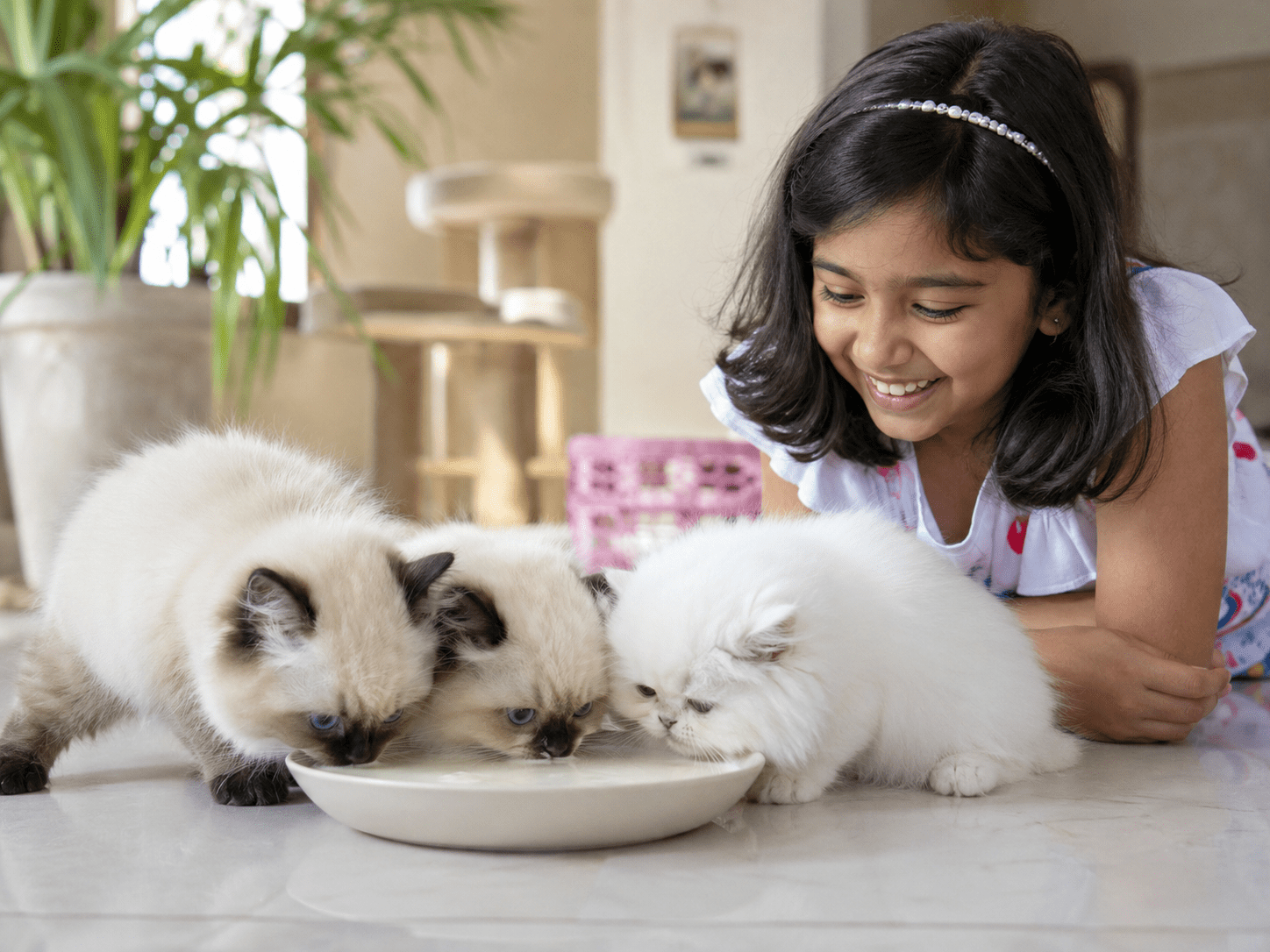
Our family dog just loves our ragdoll kitten! That even cuddle together on the couch.