
Persian Kittens: Choosing a Kitten-Friendly Litter Box in a Small Apartment
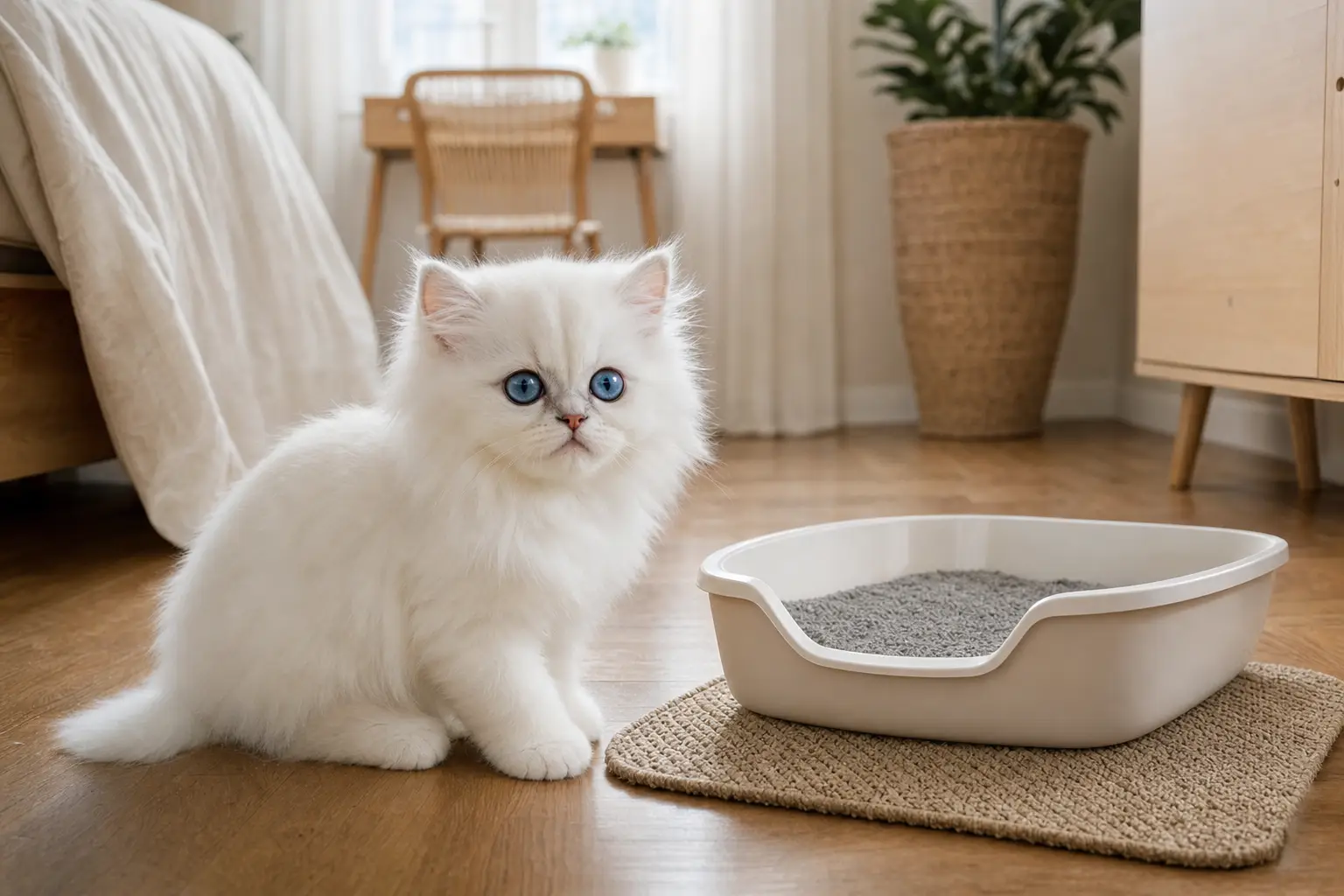
Here, “box” means litter box. The best litter box for a Persian kitten in a small apartment is usually an uncovered, stable tray with a low entrance and enough interior space for the kitten to turn around, dig, and leave without feeling trapped. Choose unscented litter, keep the tray away from food and noisy appliances, and scoop it at least once a day.
For one kitten, two boxes are ideal when your floor plan allows it. If your apartment cannot accommodate two full-size trays, begin with one generously sized box in the calmest accessible location, then add a second temporary or permanent box during the settling-in period if possible. A clean, predictable setup matters more than buying an expensive designer product.
What makes a litter box kitten-friendly?
A young Persian kitten needs a tray that is physically easy to use and emotionally unthreatening. Persian kittens can have long coats, and some have flatter facial shapes, but individual cats vary. The box does not need to be breed-specific. It does need to fit the kitten now and remain practical as the kitten grows.
Look for these features
- A low entrance: The kitten should be able to step in without climbing or jumping. The sides can be higher at the back to help contain litter, as long as the entry remains easy.
- A roomy interior: The kitten should be able to turn, squat, scratch, and choose a clean spot. A useful rule of thumb is an inside length around one and a half times the cat’s body length, measured from the nose to the base of the tail. Check the actual interior dimensions rather than relying on a small, medium, or large label.
- A stable base: A tray that slides, tips, or rattles can make a kitten avoid it. Place it on a level floor or a thin, non-slip mat.
- Smooth, washable plastic: Avoid cracked surfaces and deep scratches that hold odor. You do not need a liner unless your kitten accepts one; many cats dislike the sound or feel of liners.
- Low-dust, unscented litter: Strong perfume may be pleasant to people but overwhelming to a cat. Low-dust litter also helps keep particles off a long coat and reduces mess around the tray.
For a Persian kitten, a wide entrance and enough turning room are especially practical. They give the kitten space to position its body and reduce the chance that a long coat brushes against a damp or dirty edge. A litter mat outside the tray can catch loose granules, but it should not replace regular sweeping or vacuuming.
How to fit the box into a small apartment
In a compact home, placement usually matters more than appearance. A box tucked into an attractive cabinet is not useful if the door can close, the opening is too small, or the kitten feels cornered inside.
Choose a location that is quiet but not isolated. A bathroom with the door secured open, a calm corner of a bedroom, or a screened section of a living room can work. Keep the route clear at all times. Kittens should not have to cross a room full of startling noises or wait for someone to open a door.
Keep the litter box separate from food and water. Cats generally prefer not to eliminate where they eat, and separating these resources also makes routine cleaning easier. Avoid placing the tray directly beside a washing machine, dryer, loud fan, or frequently used door.
If you can fit two boxes, place them in separate areas rather than lining them up side by side. In a studio apartment, one box might sit in the bathroom and another in a quiet living-room corner behind a low screen. The screen should hide the tray from view without blocking the kitten’s approach or trapping odors.
When space allows only one box, make that box as easy to access and maintain as possible. During the first days at home, keeping the kitten in a smaller, calm area with the tray nearby can help establish the habit. Gradually expand access to the rest of the apartment instead of expecting a newly arrived kitten to find a distant box immediately.
Persian kitten litter box myths, facts, and reassuring truths
| Myth | Fact |
|---|---|
| A tiny kitten needs a tiny tray. | A low entry is helpful, but the inside should still allow comfortable turning and digging. A tray that is too small may be outgrown quickly or feel cramped from the start. |
| A covered box is automatically better for an apartment. | A cover may hide litter and reduce visual clutter, but it does not solve odor by itself. Some cats dislike the restricted space or concentrated smell. An uncovered tray is often the simplest starting point; add a cover only if the kitten uses it confidently and ventilation is adequate. |
| One kitten only needs one box. | One box can work, but many feline-care guidelines recommend one box per cat plus one extra. Two options are useful if one becomes dirty, occupied, or temporarily frightening. If your apartment cannot support two, excellent cleaning and easy access become more important. |
| Perfumed litter makes a box cleaner. | Fragrance masks odor for people but does not remove waste. Unscented litter is often a safer first choice for acceptance, especially when the kitten is already adjusting to a new home. |
| The box should be hidden as far away as possible. | Privacy is helpful, but isolation is not. A kitten needs a predictable route and should never be locked away from the tray. Quiet and accessible is a better goal than invisible. |
| An accident means the kitten is being stubborn. | Accidents can result from a dirty box, a difficult location, fear, an unsuitable tray, or a health problem. Punishment can increase anxiety and make box avoidance worse. |
| Persian kittens need a special breed-specific litter. | Most do not. Start with the litter used by the breeder, rescue, or foster home if you can, then change gradually if needed. Coat length, dust, texture, and individual preference matter more than a Persian label on the package. |
A simple setup routine for the first week
- Ask what the kitten already uses. Matching the familiar litter and tray style can reduce change during an already busy transition.
- Place the tray before the kitten arrives. Do not make the kitten search for it after exploring the apartment. Show the location calmly after naps, meals, and active play.
- Keep the litter depth moderate. Follow the product directions and observe the kitten. Some cats like to dig deeply; others prefer a shallower layer. Avoid making a sudden change in depth and texture.
- Scoop on a dependable schedule. Remove feces and urine clumps at least daily, and more often if practical. Wash the tray with mild unscented soap and rinse it thoroughly when it needs a full clean. Avoid strong chemical smells.
- Reward calm use. Quiet praise after the kitten leaves the tray is enough. Never place the kitten’s paws in the litter or punish an accident.
- Change products slowly. If you need to switch litter, mix a small amount of the new type into the familiar litter and increase it gradually. Stop and reassess if the kitten begins avoiding the tray.
For very young kittens, kittens that chew or eat litter, or kittens with digestive concerns, ask a veterinarian about the safest substrate. There is no need to follow a blanket internet rule when the kitten’s age, health, and behavior should guide the choice.
Managing odor without making the box unpleasant
Odor control in a small apartment comes from removing waste, not covering it with fragrance. Scoop consistently, keep a waste container sealed, and ventilate the room where the tray sits when possible. A second box can also help because it reduces the chance that one heavily used tray becomes overwhelming.
Do not use air fresheners, essential-oil diffusers, or harsh cleaners around the litter area as a substitute for cleaning. Cats are sensitive to smell, and some concentrated products may be unsafe if a kitten contacts or inhales them. If a Persian kitten carries litter in its coat, gently brush the area once the kitten is calm. Do not pull at clumps stuck to the skin; seek grooming or veterinary help if mats or contaminated fur cannot be removed safely.
When litter box avoidance needs veterinary attention
A sudden change in toilet habits deserves attention rather than blame. Contact a veterinarian if the kitten repeatedly urinates or defecates outside the tray, strains, cries, visits the box frequently, has blood in the urine or stool, licks the genital area excessively, or seems painful, weak, or unwell. Straining without producing urine is an emergency, particularly in male cats.
Health problems can look like a training problem, and a veterinarian can help separate medical causes from location, litter, stress, or box-size issues. Clean accidents with an enzymatic pet-odor cleaner and review the setup while you arrange care.
Frequently asked questions
Should a Persian kitten use an open or covered litter box?
Start with an open box unless the kitten already prefers a covered model. An open tray makes entry, exit, cleaning, and monitoring easier. A covered box can be acceptable if it is roomy, well ventilated, easy to access, and consistently used.
How big should the box be?
Choose the largest practical tray that the kitten can enter comfortably. The kitten should be able to turn around and dig without pressing against the walls. A low-entry kitten tray may be useful temporarily, but plan to replace it as the cat grows.
Can a litter box go in a bathroom?
Yes, provided the door stays open or the kitten has another reliable way in. Keep the tray away from loud plumbing or appliances, and do not place it beside food and water. In a small apartment, an accessible bathroom is often a sensible location.
What if there is room for only one box?
Use a roomy, uncovered tray in a quiet, easy-to-reach spot and keep it exceptionally clean. If the kitten has accidents or seems hesitant, temporarily create a second option by using another simple tray in a different area while you identify the problem.
The reassuring bottom line
A Persian kitten does not need a complicated or costly litter-box system. It needs a clean, stable, comfortable place that is easy to reach and unlikely to surprise or trap it. In a small apartment, thoughtful placement, unscented litter, regular scooping, and a box that allows movement will usually matter more than matching a particular color, brand, or breed-specific claim.
For general guidance, see International Cat Care’s litter-tray advice, the Cornell Feline Health Center’s information on house soiling, and the ASPCA guide to litter-box problems.
Preparing for a new companion? Explore CTkittens.com for more practical guidance on welcoming and caring for Persian kittens.

Rachel Cohen is a journalist and producer with a passion for audio storytelling, health and science reporting, and feline companions.
A graduate of Middlebury College, Rachel spends her weekends exploring the mountains and when she isn’t outdoors or chasing a story, she can usually be found hanging out with her cats.
Ngl, the reminder to check actual inside dimensions instead of trusting the “large” label probably saved my fluffy lil dude from outgrowing his tray in like two weeks lol.
The bit about checking actual interior dimensions instead of trusting “small” or “large” labels is so real, pet brands be making those sizes up lol.
Ngl the low entrance but roomy interior distinction is clutch, cause I probably would’ve bought a tiny tray and wondered why the lil fluffball outgrew it in two weeks.