Ragdoll and Persian kittens are sweet, affectionate, fluffy companions, but their nutrition matters from the very beginning. These breeds grow into medium-to-large, long-haired cats, so they need food that supports healthy development, steady energy, strong muscles, a soft coat, and good digestion.
At CT Persian and Ragdoll Kittens, we believe that a well-fed kitten is a happier, healthier, and more confident kitten. Whether you are preparing to bring home a Ragdoll kitten, a Persian kitten, or you are still learning how to care for one, this guide will help you understand safe feeding choices.
Start With a Complete Kitten Food
The main part of your kitten’s diet should be a complete and balanced kitten food made for growth. Kittens need more calories, protein, vitamins, and minerals than adult cats because they are still developing. AAFCO explains that the nutritional adequacy statement is the key part of a pet food label because it tells you whether the food is complete and balanced for the correct life stage.
Look for food labeled for:
“Growth”
“Kitten”
“All life stages”
“Complete and balanced”
Wet food is often helpful because it adds moisture to the diet, while dry kitten food can be convenient for scheduled feeding. Many families use a combination of both.
How Often Should Ragdoll and Persian Kittens Eat?
Most kittens do best with several small meals per day rather than one large meal. VCA Hospitals notes that many kittens do well when their daily food is divided into 3–4 small meals or more.
A simple feeding routine can look like this:
Morning: wet kitten food
Midday: small kitten food meal
Evening: wet or dry kitten food
Optional: small safe topper or treat
Always adjust portions based on the kitten’s age, weight, appetite, and your veterinarian’s advice.
Can Kittens Eat Ground Chicken?
Yes, plain cooked ground chicken can be a safe topper for kittens when prepared correctly. It should be fully cooked, unseasoned, and served in small amounts. Do not add salt, onion, garlic, butter, oil, or spices.
A simple kitten-safe homemade topper can include:
Cooked ground chicken
Finely chopped cooked carrots
A very small amount of cooked kale
A few cooked sweet peas
This should be used as a small addition, not as the main diet. Homemade food can be nutritionally incomplete if it replaces kitten food. Cornell’s Feline Health Center emphasizes that proper nutrition is essential for long-term feline health.
Can Ragdoll and Persian Kittens Eat Vegetables?
Cats are obligate carnivores, so meat-based nutrition should always come first. However, small amounts of kitten-safe vegetables can be used occasionally as a topper.
Safe options in small portions include:
Cooked carrots
Cooked sweet peas
Finely chopped cooked kale
Keep vegetables soft, plain, and finely chopped. They should never replace animal protein or balanced kitten food.
Can Kittens Drink Lactose-Free Milk?
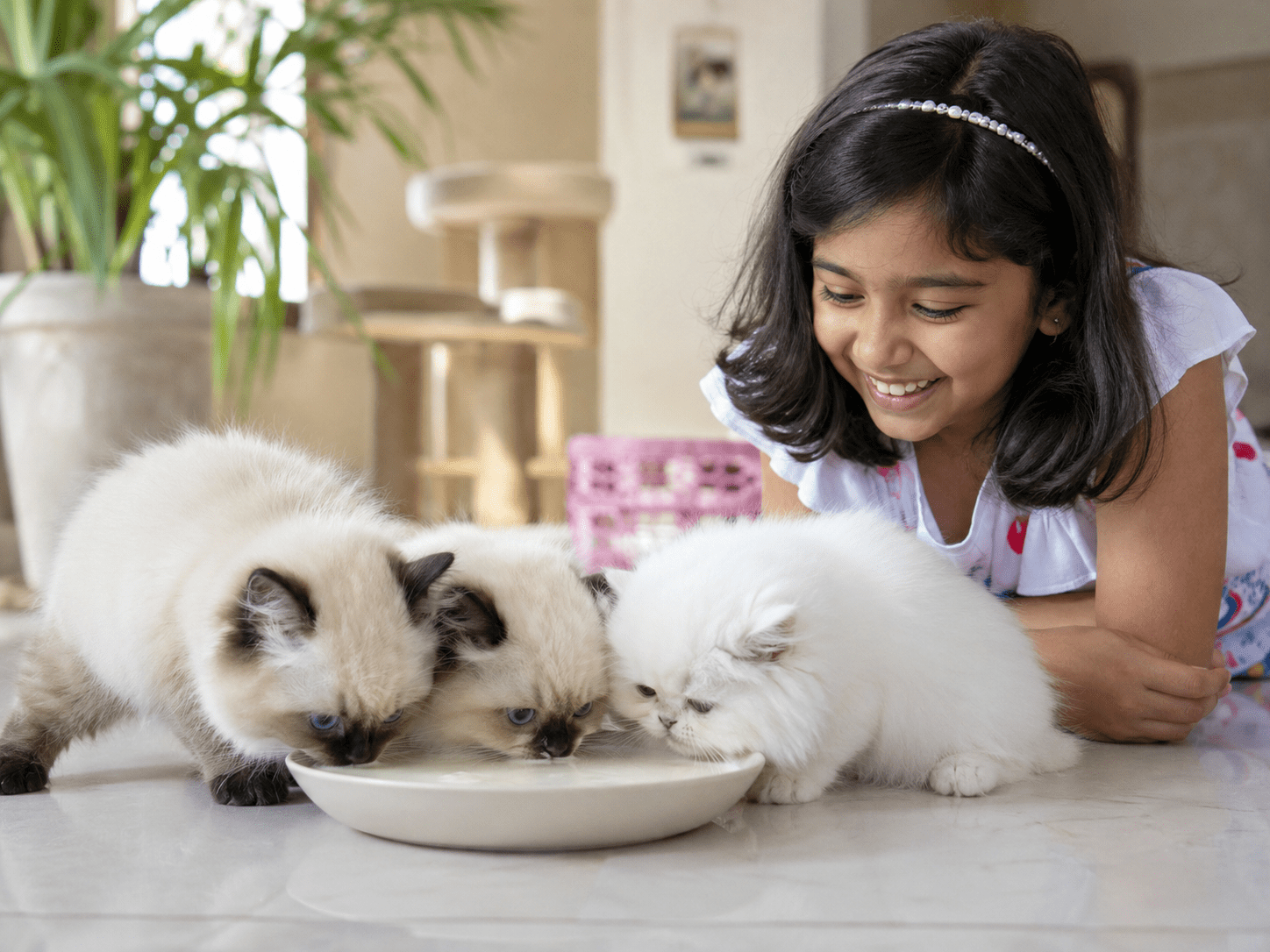
Many people imagine kittens drinking bowls of milk, but regular cow’s milk is not ideal. ASPCA notes that milk and dairy can cause digestive upset because many pets do not have enough lactase to properly digest lactose.
Lactose-free milk may be gentler than regular milk, but it should still be treated as an occasional treat, not a daily requirement. Fresh water should always be the main drink. For very young kittens that are not weaned, use a proper kitten milk replacer, not cow’s milk.
Foods to Avoid Feeding Kittens
Do not feed Ragdoll or Persian kittens:
Onion
Garlic
Chocolate
Grapes or raisins
Alcohol
Caffeinated drinks
Raw dough
Bones
Seasoned meat
Large amounts of dairy
Dog food as a regular diet
When in doubt, keep the food plain, simple, and kitten-appropriate.
Why Nutrition Matters for Persian and Ragdoll Kittens
Persian kittens and Ragdoll kittens are known for their beautiful coats, calm temperaments, and affectionate personalities. Good nutrition helps support:
Healthy growth
Soft, shiny fur
Strong muscles
Good digestion
Better energy
Healthy weight
A smoother transition into the new home
At CT Persian and Ragdoll Kittens, we focus on raising kittens with care from the beginning. A kitten’s first weeks matter. Feeding, socialization, cleanliness, and daily handling all help prepare them for loving family homes.
Our Breeder Recommendation
When your kitten comes home, avoid sudden food changes. Keep the kitten on the same food at first, then transition slowly over 7–10 days if you want to change brands. Mix a small amount of the new food into the current food and gradually increase it.
A safe feeding plan is:
Use complete kitten food as the main diet.
Offer fresh water every day.
Use cooked ground chicken as a small topper.
Add tiny amounts of cooked carrots, kale, or sweet peas if tolerated.
Use lactose-free milk only occasionally, not as a replacement for water or food.
Ask your veterinarian before making homemade meals a major part of the diet.
Bringing Home a Kitten From CT Persian and Ragdoll Kittens
Choosing the right kitten is about more than appearance. Families want a kitten that is beautiful, healthy, social, and raised with care. At CT Persian and Ragdoll Kittens, we help families understand how to feed, transition, and care for their new Persian or Ragdoll kitten after adoption.
Our goal is to make the process clear and comfortable, especially for first-time kitten owners. If you are considering a fluffy Persian kitten or a gentle Ragdoll kitten, proper feeding is one of the best ways to start your kitten’s life with you the right way.
FAQ
What is the best food for a Ragdoll kitten?
The best food is a complete and balanced kitten food labeled for growth. Wet food, dry food, or a combination can work depending on the kitten’s needs.
What is the best food for a Persian kitten?
Persian kittens should eat complete kitten food with enough protein and moisture to support growth, coat quality, and digestion.
Can kittens eat homemade chicken?
Yes, kittens can eat plain cooked ground chicken in small amounts. It should be unseasoned and used as a topper, not the entire diet.
Can kittens drink lactose-free milk?
Lactose-free milk may be offered occasionally in small amounts, but fresh water should be the main drink. Regular cow’s milk can cause digestive upset in many cats.
How many times per day should kittens eat?
Many kittens do well with 3–4 small meals per day.
Are treats okay for kittens?
Yes, but treats and toppers should stay limited. VCA notes that treats should not exceed 10% of a pet’s daily calorie intake, and aiming closer to 5% is safer.