
The Kitten Welcome Nook: A Cozy First Chapter for Persian and Ragdoll Friends
Picture this: your new kitten arrives, takes three careful steps into the room, and discovers a tiny corner made just for them. There is a soft bed, a cardboard box with a dramatic doorway, a water dish catching the afternoon light, and one crinkly toy that immediately becomes the most important object in the house.
That little corner is more than a cute photo opportunity. It is a “welcome nook”—a simple, thoughtfully arranged home base that helps Persian and Ragdoll kittens settle in at their own pace. It gives them a place to observe, nap, play, and quietly decide that your home may be worth claiming.
The best part? You do not need an entire kitten room. A calm section of a bedroom, living room, or home office can become a miniature world of comfort.
Why a welcome nook works like a kitten-sized map
A new home is full of unfamiliar sounds, scents, surfaces, and moving feet. A dedicated nook gives your kitten one dependable landmark. When the vacuum hums, guests arrive, or a paper bag makes an unexpectedly exciting rustle, your kitten can retreat to a familiar place.
Think of it as a tiny map legend: bed means rest, mat means meals, box means hiding, and the nearby scratching surface means “this is where claws and curiosity belong.” Clear little choices can make a big environment feel manageable.
Place the nook away from busy doorways and loud appliances, but somewhere your kitten can still see everyday household life. A quiet corner with a view is often more inviting than a completely isolated room.
Build the nook in five cheerful layers
1. Start with a soft landing
Choose a washable bed or folded blanket with a low edge that is easy to step into. Add a second sleeping option nearby, such as a small open basket or a fleece mat. Cats enjoy having choices, and your kitten may select the least expensive-looking option with impeccable confidence.
A blanket carrying a familiar scent can make the space feel especially welcoming. Keep the fabric secure and free of loose threads, and wash it regularly so the nook stays fresh.
2. Add a “secret door”
An ordinary cardboard box can become a five-star retreat with one large doorway and a few air holes. Turn the opening toward the room so your kitten can peek out without feeling exposed. Replace the box when it becomes worn, damp, or too tempting to chew.
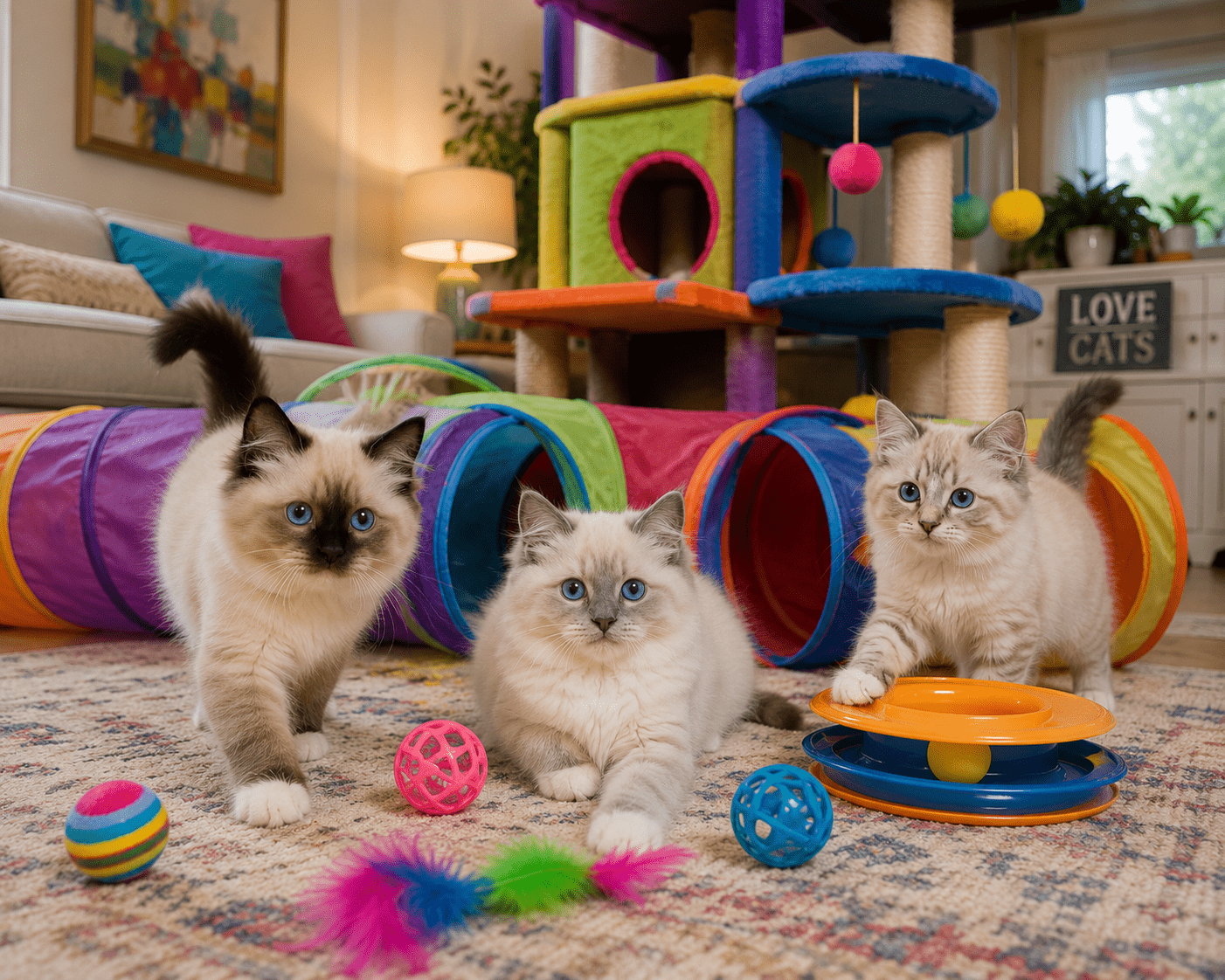
For a more polished version, use a sturdy fabric tunnel or covered cat bed. The goal is not to create a fortress; it is to offer a private pause button.
3. Create a tiny activity shelf
Place two or three safe toys in a small basket or tray. Rotate them every few days rather than leaving every toy out at once. A toy that disappears briefly can return with the excitement of a grand reopening.
- One lightweight ball for batting
- One soft toy for carrying or bunny-kicking
- One wand toy for supervised interactive play
- One sturdy scratching pad or small post
Keep string-like toys and wand toys put away after playtime. This keeps the nook tidy and makes your shared play sessions feel like special events.
4. Give meals their own address
Set food and water dishes a comfortable distance from the litter tray and sleeping area. A nonslip mat beneath the dishes can turn spills into a quick wipe instead of a household mystery.
Wide, shallow dishes may be more comfortable for some kittens, especially those who dislike brushing their whiskers against tall sides. Watch your kitten’s preferences and adjust the setup based on what they actually use.
5. Add one gentle view
If possible, position the nook near a secure window or a place where your kitten can watch you read, work, or fold laundry. Persian kittens may enjoy the calm theater of household activity, while Ragdoll kittens often seem pleased to be near their people. Either way, a peaceful view adds entertainment without requiring a television made of birds.
Persian and Ragdoll kittens: similar charm, different room energy
Both breeds can make affectionate, captivating companions, but their everyday styles often have different flavors. Individual personality matters most, yet these broad tendencies can help you shape the nook.
- Persian kittens: Often associated with a gentle, composed presence, Persians may appreciate a calm arrangement with soft bedding, easy access, and a little extra attention to keeping their resting area clean. Their plush coats can make a comfortable, washable surface especially useful.
- Ragdoll kittens: Often known for their relaxed, people-oriented nature, Ragdolls may enjoy a nook that sits close to family activity. Add a low climbing option or a secure perch if your kitten shows an interest in surveying the room.
- Both breeds: Benefit from gradual introductions, predictable routines, interactive play, fresh water, a clean litter area, and plenty of opportunities to choose between resting, exploring, and socializing.
A Persian may treat the box like a private reading room. A Ragdoll may treat it like a waiting lounge for your next appearance. Your kitten will supply the final design review.
The “three scent” welcome trick
Here is a fresh way to make the nook feel familiar: introduce three gentle, everyday scents rather than overwhelming the space with fragrance. Use the kitten’s own blanket, a clean cloth that has spent time near you, and the neutral scent of the room itself.
Avoid scented sprays, strong diffusers, and heavily perfumed cleaners around the nook. Kittens experience the world through their noses, and a simple-smelling space is often easier to understand. The result should smell like home—not a tropical resort with a suspiciously floral lobby.
Turn settling in into a quiet game
Instead of encouraging your kitten to explore every room immediately, create a trail of small discoveries. Place a toy just beyond the nook, then another near a safe scratching surface. Sit nearby and let your kitten decide whether to investigate.
When your kitten approaches, keep your movements slow and your voice cheerful but gentle. You can blink slowly, offer a hand for sniffing, or play with the wand toy at floor level. The aim is connection without pressure.
Notice the tiny victories: a first stretch in the open, a confident sip of water, a nap with paws tucked beneath the chin, or a brave inspection of the cardboard box from the outside. These moments are the first pages of your shared story.
A quick welcome-nook checklist
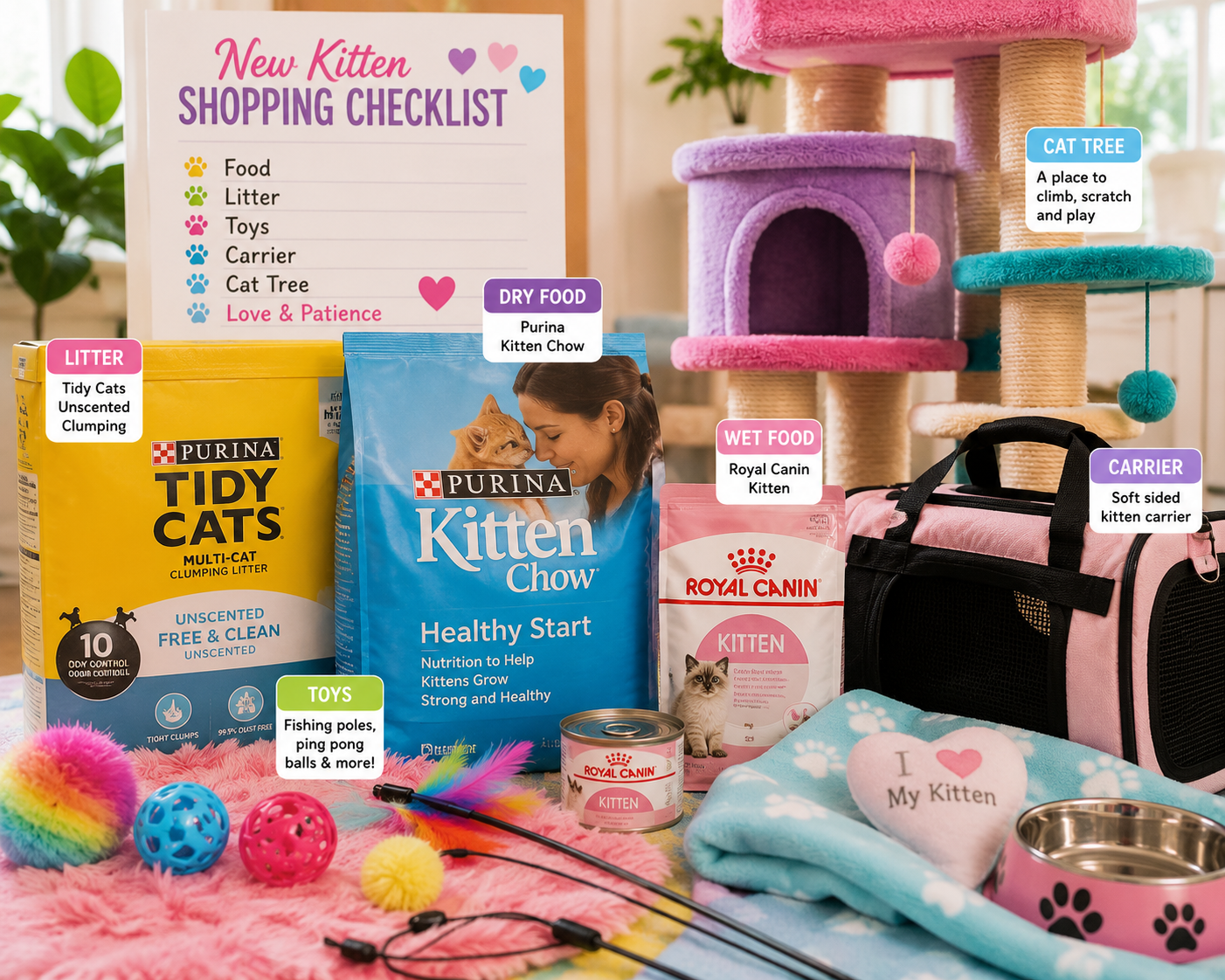
- Washable bed or blanket
- Open box, tunnel, or covered retreat
- Food and water dishes on a stable mat
- Clean litter area placed separately
- Scratching surface
- Two or three rotating toys
- Safe window view or family vantage point
- Kitten-proofed cords, small objects, and accessible gaps
Keep the arrangement simple at first. You can add a basket, perch, decorative cushion, or tiny name sign later. A kitten’s approval may arrive in the form of sleeping on the sign.
Let the nook grow with the relationship
As your kitten becomes comfortable, the welcome nook may change jobs. It can become a nap station, a grooming corner, a toy library, or the place where your cat waits for breakfast with theatrical punctuality.
For Persian and Ragdoll kittens, the most valuable feature is not a particular color scheme or expensive accessory. It is the feeling that this space belongs to them—and that their favorite people are never far away.
Ready to imagine your next fluffy housemate? Explore CTkittens.com to discover more about Persian and Ragdoll kittens and begin planning a warm, happy welcome home.

Rachel Cohen is a journalist and producer with a passion for audio storytelling, health and science reporting, and feline companions.
A graduate of Middlebury College, Rachel spends her weekends exploring the mountains and when she isn’t outdoors or chasing a story, she can usually be found hanging out with her cats.