

Persian Kitten Safe Room: What Success Looks Like
Short answer: A successful Persian kitten safe room is quiet, secure, easy to clean, and ready before you arrive home. It should contain an accessible litter box, familiar food, fresh water, a comfortable hiding place, a bed or carrier, and a few safe toys. The goal is not to make your kitten interact immediately; it is to give the kitten control while you make the first hours predictable.
Preparing the room before pickup day also prevents a common problem: opening the carrier in a whole house full of hiding places, cords, visitors, and unfamiliar sounds. A smaller, carefully checked space helps you monitor eating, drinking, litter use, and general behavior without overwhelming a young kitten.
What a Persian kitten safe room should accomplish
The room is a temporary home base, not a punishment area or permanent isolation space. It should allow your kitten to do five things safely:
- Hide without becoming trapped.
- Find food, water, and the litter box without crossing a large or confusing space.
- Rest away from noise, strong smells, and constant handling.
- Play briefly with age-appropriate toys under supervision.
- Gradually build confidence before exploring more of the home.
A spare bedroom or quiet office often works well. A bathroom can work if it is warm, dry, thoroughly cleaned, and free of medicines and chemicals. Laundry rooms, garages, busy hallways, and rooms with loud appliances are usually poor choices. Close the door and check that windows have secure screens before the kitten arrives.
Set up the room before pickup day
1. Create separate zones
Place the litter box as far from food and water as the room allows. Cats generally prefer not to eliminate beside their feeding area, and separating these resources makes the room easier to understand. Use a low-sided box that a small kitten can enter comfortably. Start with the same litter the breeder or current caregiver uses if possible; a sudden change in texture or scent can make litter training harder.
Keep the food and water bowls in a quiet corner, but not inside the hiding place. Stainless steel or ceramic bowls are easy to clean. Ask the breeder for the kitten’s current food, feeding schedule, and any known preferences. Continuing the familiar diet for the first few days is usually less disruptive than changing food immediately.
2. Offer a safe hiding place
Provide at least one deliberate hiding option, such as a sturdy cardboard box on its side, a covered cat bed, or the kitten’s open carrier. A hiding place lets the kitten retreat while remaining accessible to you. Avoid allowing the kitten to disappear inside wall cavities, reclining furniture, piles of clothing, or spaces behind appliances.
Place a washable blanket or towel in the carrier and leave the carrier door open. A cloth carrying a familiar scent from the breeder can make the new room feel less unfamiliar, but it should be clean and free of loose threads. Do not pull a frightened kitten out of its hiding place unless there is an immediate safety problem.
3. Add simple enrichment
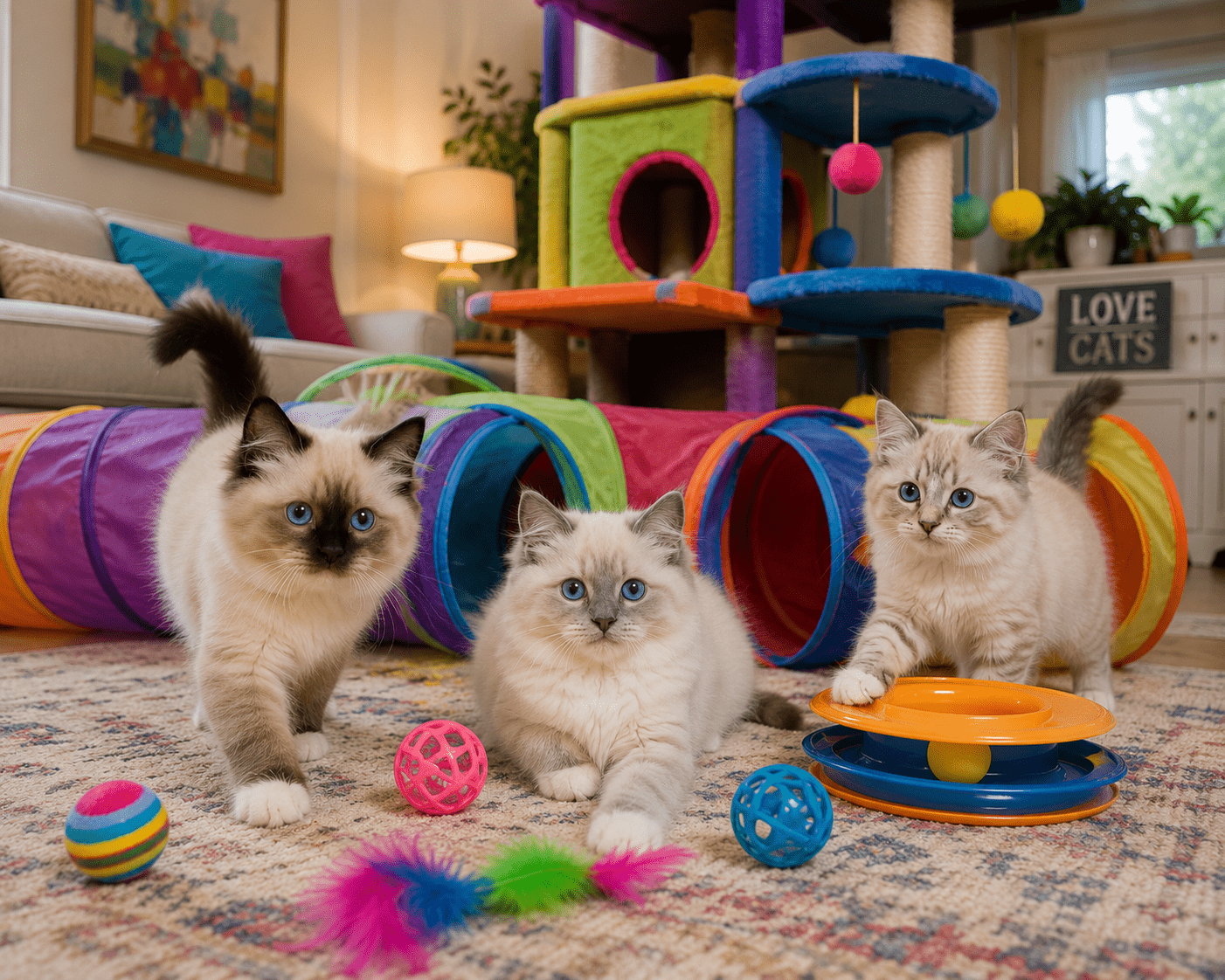
A scratching pad, one or two lightweight toys, and a low resting surface are enough for the first day. Avoid filling the room with new objects. Wand toys, strings, ribbons, and small parts should only be available during supervised play and should be stored away afterward. A kitten can chew or swallow items that seem too large to be dangerous.
Persian kittens will eventually need regular, gentle coat care. You can keep a suitable brush in the room and let the kitten investigate it, but the first evening is not the time for a long grooming session, bath, or extensive handling. Ask the breeder to show you the tools and technique the kitten already knows.
Complete a kitten-proofing check
Get down to kitten level and inspect the room from the floor. A safe room should have:
- Covered or secured electrical cords and inaccessible power strips.
- Closed windows, reliable screens, and no open balcony or escape route.
- No rubber bands, hair ties, sewing supplies, plastic bags, medication, or small objects within reach.
- No poisonous plants. Lilies are especially dangerous to cats, including pollen and vase water; check every plant against a veterinary poison-control resource such as the ASPCA cat plant list.
- Blocked gaps behind furniture, cabinets, or appliances where a kitten could become stuck.
- Secure blinds and curtain cords, which can create entanglement hazards.
- Cleaning products, cosmetics, medicines, and human food stored outside the room.
- A comfortable temperature away from direct sun, radiators, heaters, and strong drafts.
Persian cats have a shortened facial structure, and some individuals can have more difficulty managing heat or breathing comfortably. Keep the room well ventilated and comfortably cool rather than relying on a heater or hot water bottle. If the kitten shows open-mouth breathing, obvious breathing effort, collapse, or blue or very pale gums, contact an emergency veterinarian immediately.
Skip air fresheners, scented plug-ins, smoke, strong aerosols, and essential-oil diffusers. A clean, neutral-smelling room is safer and less intimidating than one that smells heavily of fragrance.
Make pickup and arrival part of the plan
Use a secure, hard-sided or well-ventilated carrier for the journey. Line it with an absorbent towel covered by a familiar blanket, and keep the carrier level and restrained in the car. Never open it outdoors or carry the kitten loose, even for a short distance.
Before opening the carrier at home, take the kitten into the prepared room and close the door. Put the carrier on the floor, open the door, and step back. Some kittens walk out quickly; others remain inside for hours. Both responses can be normal during a major transition.
Sit quietly for a few minutes if the kitten appears receptive, speaking softly and avoiding direct pursuit. Show where the food, water, and litter box are, but do not force the kitten’s paws into the litter or repeatedly place it beside the bowls. Let the kitten investigate at its own pace.
Keep the first evening low-key. Delay visitors, loud music, photographs with flash, and introductions to other pets. The widely recommended gradual approach to bringing a new cat home is also described by International Cat Care.
What success looks like in the first 24 hours
Success is not a kitten that immediately acts affectionate or explores every corner. A good first day may look quiet and uneventful. Your kitten may hide, sleep, eat only small amounts, and come out when the room is calm.
Look for gradual signs that the room is working:
- The kitten can reach the litter box, food, and water without difficulty.
- It begins to eat, drink, and use the litter box according to the routine you were given.
- It rests, grooms, plays briefly, or investigates the room between naps.
- Its body language becomes less tense: relaxed posture, normal movement, and curiosity rather than continual panic.
- It can settle again after you enter and leave the room.
Do not judge progress by how much the kitten wants to be held. Trust develops through repeated, calm interactions. Sit on the floor, read quietly, offer a toy, and stop when the kitten shows it has had enough.
Because young kittens can become unwell quickly, contact your veterinarian promptly if the kitten seems weak, has repeated vomiting or diarrhea, has trouble breathing, or refuses food and water. Arrange a new-kitten veterinary appointment according to your veterinarian’s advice, and bring the breeder’s vaccination, deworming, microchip, and health records.
When should the kitten explore the rest of the home?
There is no universal number of hours or days. Keep the safe room as the home base until the kitten is eating, drinking, using the litter box, and showing some relaxed curiosity. A confident kitten may be ready to explore one additional quiet area fairly soon; a timid kitten may need longer.
Open one new area at a time and keep the safe room available. Let the kitten return there whenever it wants. Close off rooms that have not been kitten-proofed, and do not carry the kitten from room to room to force an introduction.
If you already have cats or dogs, keep the new kitten separate while you follow a gradual introduction plan. Do not begin face-to-face meetings simply because the kitten seems curious at the door. Your veterinarian can help you plan health checks and introductions for the animals in your household.
Quick safe-room checklist
Before leaving for pickup, confirm that:
- The door closes securely and windows are screened.
- The litter box is low-sided, clean, and away from food and water.
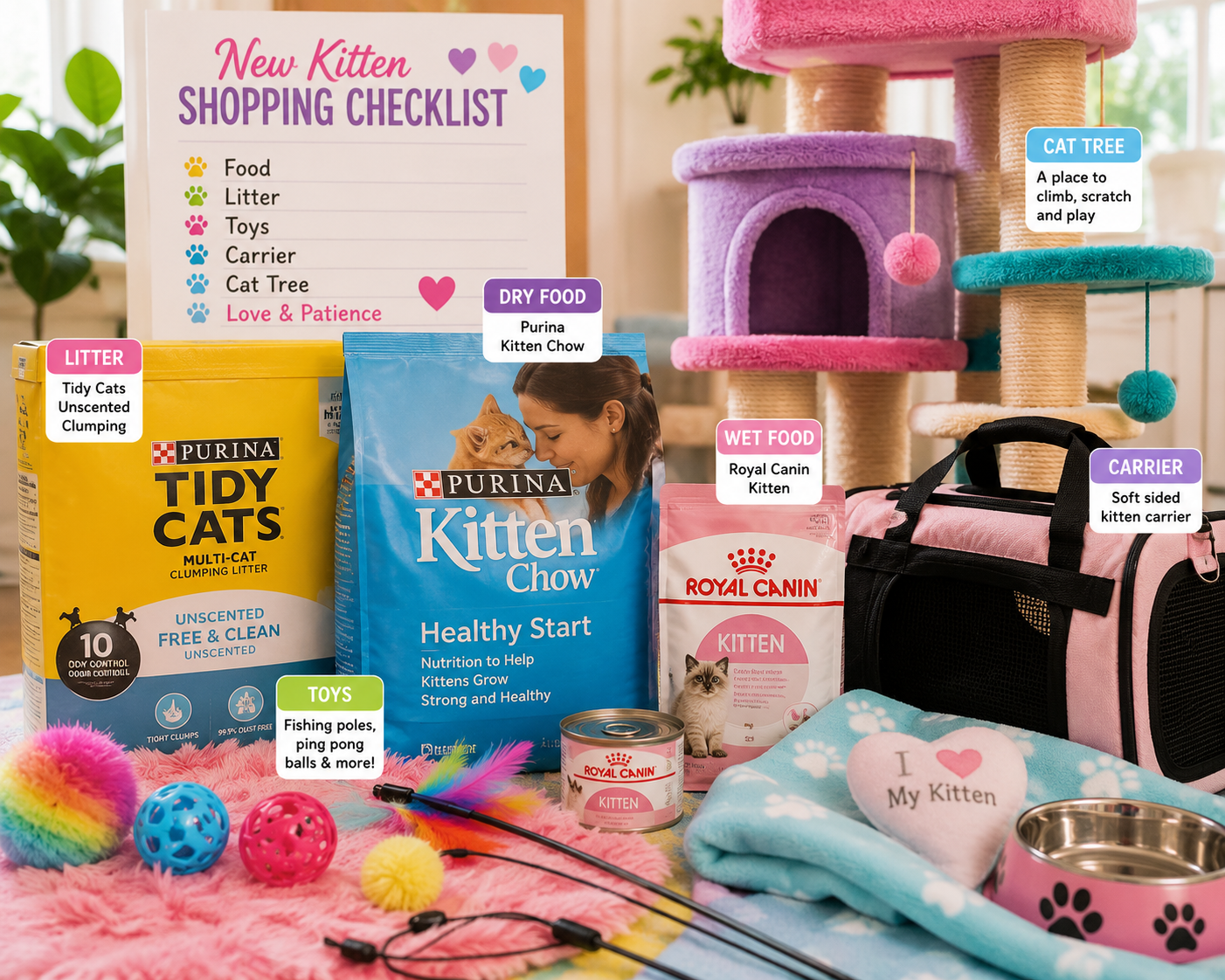
- The current food and litter are ready.
- The open carrier and a safe hide are in the room.
- Cords, plants, chemicals, strings, and small objects are removed.
- The room is quiet, comfortably cool, and free of strong scents.
- Your veterinarian’s contact details and the kitten’s health records are available.
Preparing these details in advance means your attention can stay on the kitten rather than on last-minute cleaning and rearranging. For more guidance on welcoming and caring for a Persian kitten, explore the resources at CTkittens.com.
Persian kitten safe room FAQ
How long should a Persian kitten stay in the safe room?
Use the room until the kitten is eating, drinking, using the litter box, and behaving with increasing calm. Some kittens need only a short settling period; shy kittens may need several days. Expand access gradually instead of following a rigid deadline.
Can the kitten sleep in the safe room overnight?
Yes. A quiet overnight stay can help the kitten rest and gives you a manageable place to check food, water, and litter use. Make sure the room is secure and the carrier or hiding box remains available.
What should I do if the kitten hides?
Leave the kitten alone for a while, sit quietly nearby, and keep food, water, and the litter box easy to reach. Do not drag the kitten out. If hiding is accompanied by weakness, breathing difficulty, repeated vomiting, diarrhea, or refusal to eat and drink, call a veterinarian.

Rachel Cohen is a journalist and producer with a passion for audio storytelling, health and science reporting, and feline companions.
A graduate of Middlebury College, Rachel spends her weekends exploring the mountains and when she isn’t outdoors or chasing a story, she can usually be found hanging out with her cats.
The reminder that success can look like hiding, sleeping, and small meals is reassuring. New owners may otherwise mistake a quiet first day for failure and push interaction too soon.
New owners often mistake a quiet first day for a problem when it may simply be the kitten adjusting safely.