

Persian Kitten Paw Handling: An Illustrated 5-Minute Checklist
Successful Persian kitten paw handling is not about completing a full manicure. It is about teaching your kitten that a brief touch, toe check, or glimpse of a nail does not need to be frightening. Keep sessions calm and shorter than five minutes, reward relaxed behavior, and stop before your kitten feels the need to escape.
For many kittens, the first goal is simply allowing you to touch one paw. Nail trimming comes later. This gradual approach is especially useful for Persian kittens, whose long coat may hide debris, tangles, or overgrown fur around the feet.
Why start paw handling early?
A cat’s paws are sensitive, and many kittens naturally pull away when their toes are held. If every paw interaction becomes a surprise restraint, your kitten may learn to hide, struggle, or bite when grooming is attempted.
Gentle practice gives you a chance to check for obvious problems, prepare your kitten for routine nail care, and make future visits to a veterinarian or groomer less stressful. It also helps your kitten become familiar with the movements involved in examining the paw pad and extending a claw.
Training is not a substitute for care. If a paw is swollen, bleeding, painful, stuck in litter, or covered by a tight mat, arrange veterinary or professional grooming help rather than trying to solve the problem through repeated handling sessions.
Prepare the five-minute setup
Good preparation lets you concentrate on your kitten’s body language instead of searching for supplies.
- Pick the moment: Try after a gentle play session or when your kitten is resting, not during a burst of zooming or immediately after a stressful event.
- Choose a surface: Sit on the floor or use a stable, non-slip mat. A towel can improve traction, but do not wrap your kitten tightly or use it to immobilize the body.
- Prepare rewards: Use tiny pieces of a kitten-appropriate treat or part of the normal meal. The reward should be small enough that you can offer several without replacing a meal.
- Keep tools optional: Place cat nail clippers within reach, but do not introduce them until your kitten is comfortable with your hand. Never begin by chasing a paw with a clipper.
- Set a simple goal: Decide that today may be a shoulder touch, a paw tap, or one toe press. A small win is more useful than a rushed full trim.
The illustrated five-minute checklist
Use the timeline as a ceiling, not a test. A young or nervous kitten may need only 30 seconds. Repeat an easy step on several different days before making it harder.
- 0:00–1:00 — Start with calm contact. Sit beside your kitten and offer a reward for remaining near you. Stroke the shoulder, side, and upper leg with slow, predictable movements. Do not reach directly for the paw if your kitten is watching it closely.
- 1:00–2:00 — Follow the leg downward. Touch the lower leg briefly, then move your hand away and reward. Repeat once or twice. If your kitten leans into the touch, keep going; if the leg stiffens or pulls back, return to the shoulder.
- 2:00–3:00 — Touch the paw without holding it. Rest one finger lightly on top of the paw for one second, say a quiet marker such as “yes,” and reward. Gradually work toward two or three seconds. Let the paw go before your kitten needs to yank it away.
- 3:00–4:00 — Introduce the toe check. If the paw remains relaxed, support it loosely in your hand and gently press the top or side of one toe pad just enough to reveal the claw. Do not squeeze, pull, or spread all the toes. Reward the instant your kitten stays calm, then release.
- 4:00–5:00 — Choose practice or finish. You can let your kitten sniff the closed clippers, touch the clippers to your own hand, or—only if the kitten is fully relaxed—trim the sharp tip of one claw. Otherwise, give a final reward and end. Stopping after a good repetition is part of the training.
Do not lure the paw into position and then hold it against your kitten’s wishes. A treat should reinforce calm cooperation, not distract you from escalating distress.
Progress from a paw touch to nail trimming
Think in steps rather than dates. Some kittens move quickly; others need repeated practice at one level. Advance when the current action looks easy across several sessions, and step back if your kitten begins resisting.
| Stage | Practice | Ready to advance when… |
|---|---|---|
| 1 | Touch the leg and top of the paw. | Your kitten stays loose and accepts a reward. |
| 2 | Support the paw for one or two seconds. | Your kitten does not repeatedly pull away. |
| 3 | Press one toe pad gently to show the claw. | You can see the claw without a struggle. |
| 4 | Bring closed clippers near the paw. | Your kitten remains calm around the sound and sight of the tool. |
| 5 | Trim one small tip, then reward and stop. | The kitten remains relaxed for future single-claw practice. |
There is no prize for trimming every nail in one sitting. One claw today and another tomorrow may create a better long-term habit than a complete trim followed by several weeks of avoidance.
Read the kitten, not the clock
A relaxed kitten may have a soft body, neutral or forward ears, normal blinking, and enough interest in food to accept a reward. These signs are not a guarantee that your kitten wants more handling, so keep checking after each repetition.
Pause and make the step easier if you notice a tail flick, ears turning sideways, skin twitching, a paw being pulled away, sudden stillness, or refusal of a normally appealing reward.
End the session if your kitten hisses, growls, swats, bites, struggles hard, or repeatedly tries to flee. Do not hold tighter or scold. Give your kitten space, then restart another day with a much easier step.
Open-mouth breathing or persistent panting is not a normal training hurdle. Stop handling immediately. If breathing looks difficult or does not settle promptly, contact a veterinarian; Persian cats can be particularly vulnerable to breathing problems because of their shortened facial shape.
Safety notes for claws, pads, and Persian coat
- Trim only the sharp tip. The inner quick contains blood vessels and nerves. Cutting it is painful and can cause bleeding. If you cannot clearly identify where to cut—especially with dark claws—ask a veterinarian or qualified cat groomer to demonstrate.
- Include the dewclaw in routine checks. It does not touch the ground as much as the other claws and may become longer before you notice.
- Never trim a moving paw. If your kitten begins wriggling, close the clippers and release the paw. A calm restart is safer than trying to finish.
- Be cautious with toe fur. Persian coat can mat between or around the toes. Do not use pointed scissors close to a moving paw or cut into a tight mat. Ask a professional to show you safe clipper handling.
- Avoid household products. Do not apply human creams, essential oils, or disinfectants to paw pads unless your veterinarian specifically recommends a product.
What to do if your kitten keeps resisting
Resistance usually means the step is too difficult, too long, or poorly timed—not that your kitten is stubborn. Return to rewarding calm proximity and leg strokes for a few sessions. Try a shorter session, change the surface, or work with one paw rather than alternating between all four.
If your kitten has a painful nail, a badly matted paw, or a history of panic during grooming, book help from your veterinarian or an experienced cat groomer. They can address the immediate need and show you a lower-stress handling plan. Never give a sedative or calming medication at home unless it was prescribed specifically by your veterinarian.
FAQ
How often should I practice paw handling?
Short, frequent practice is usually easier than an occasional long session. You might practice daily or several times a week, depending on your kitten’s interest. Skip a day if the last session ended with stress, and resume at an easier level.
When should I start trimming the nails?
Begin with handling as soon as your kitten is comfortable in your home; you do not need to wait for the first trim. Start clipping only after your kitten accepts the paw and toe movement. If a nail is already snagging or curling, have a veterinarian or groomer handle it while training continues separately.
Do I need to handle all four paws every time?
No. Practicing one paw, one toe, or even one brief touch is enough. Vary the paw over time, but always prioritize calm cooperation over completing a checklist.

Rachel Cohen is a journalist and producer with a passion for audio storytelling, health and science reporting, and feline companions.
A graduate of Middlebury College, Rachel spends her weekends exploring the mountains and when she isn’t outdoors or chasing a story, she can usually be found hanging out with her cats.
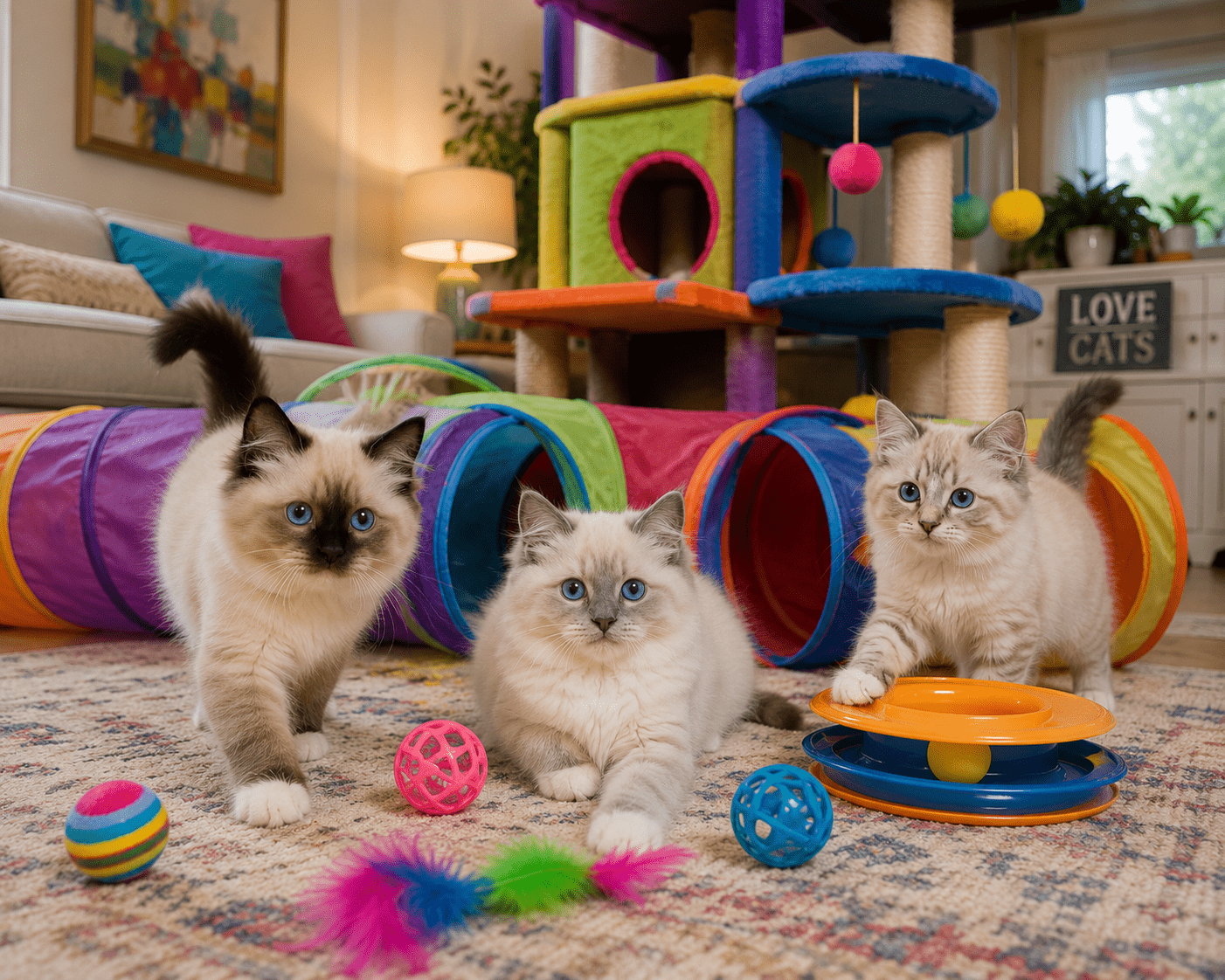
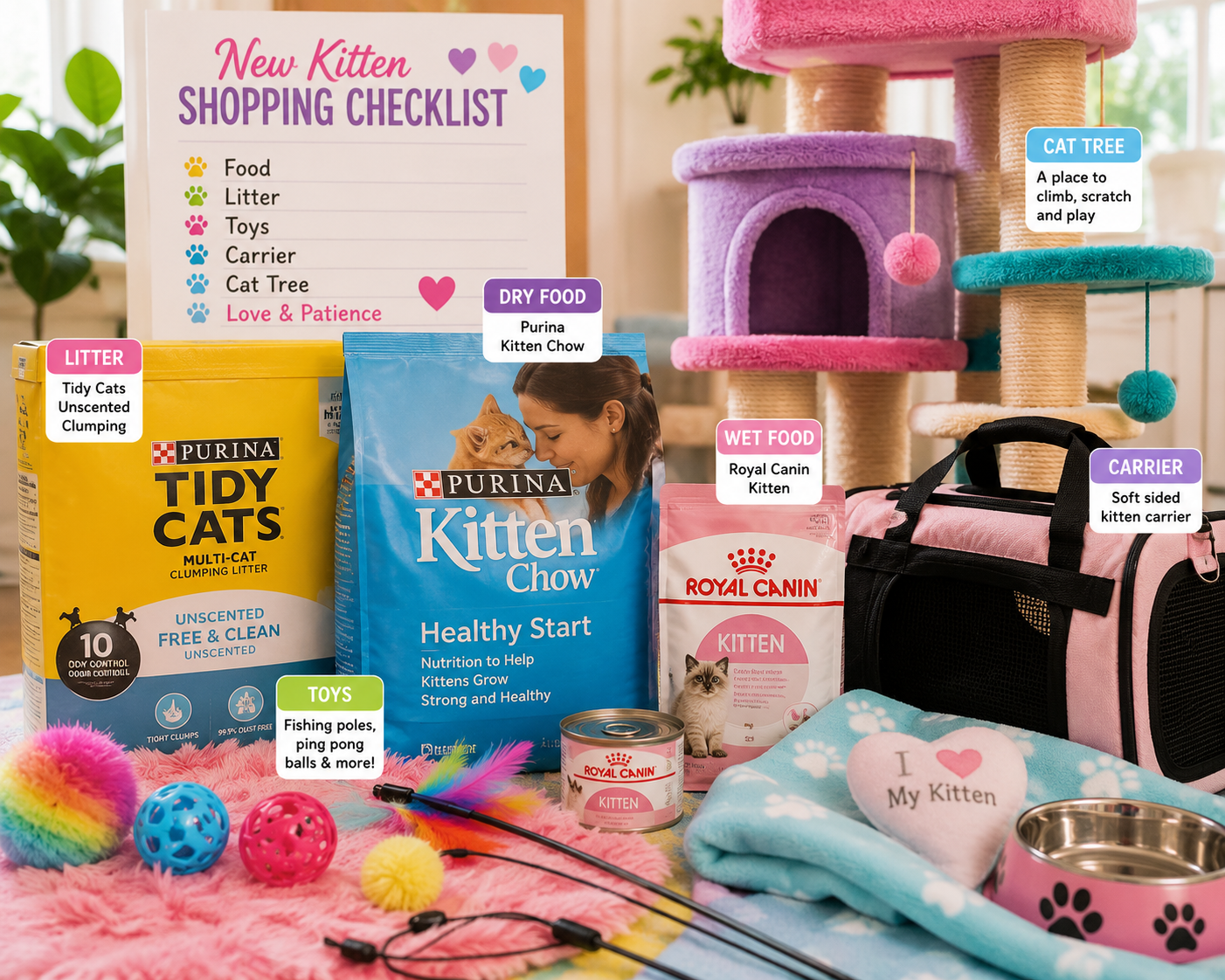
This gradual approach reflects a larger truth about kitten care: cooperation built through tiny, predictable experiences lasts longer than anything achieved by restraint. Treating one calm toe touch as progress sets the right tone for lifelong grooming.
trust built in tiny moments makes grooming, vet exams, and daily care easier for years.